

























































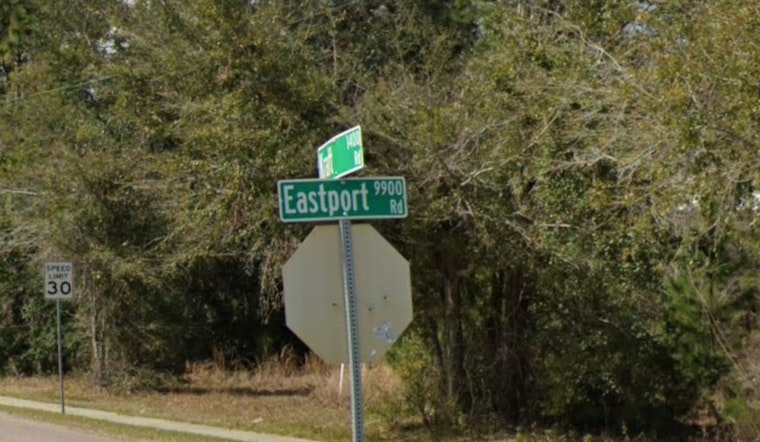
The $100 million Holon autonomous shuttle factory that Jacksonville leaders trumpeted for North Jacksonville is still an empty promise. The company missed an April groundbreaking target at the Eastport Exchange site, and with no construction permits on file and key investment deadlines creeping closer, both the company and local agencies are offering only thin answers about what happens next.
How the project was sold to the city
Holon first announced plans in September 2024 to build a roughly 500,000-square-foot manufacturing plant in Jacksonville as its U.S. production hub. The parent company and its partners described a facility capable of producing the Holon mover, a 15-passenger, fully electric autonomous shuttle, with prototypes expected to be piloted in 2026, according to Benteler. At the time, the project was framed as a national first for autonomous-vehicle manufacturing in Florida and a high-profile boost for Jacksonville’s industrial footprint.
Official timeline and inspections
The Jacksonville Transportation Authority publicly pointed to an April 2026 groundbreaking and projected final facility inspections in the second half of 2027 as part of the Ultimate Urban Circulator rollout, according to JTA. JTA has been piloting autonomous vehicles downtown and planned to use Holon’s mover once it clears U.S. standards, putting manufacturing and vehicle approval on a roughly two-year track from the signing.
Groundbreaking passed without explanation
April came and went with no ceremony at Eastport Exchange, and local records show Holon has not filed construction permits for the site. In a statement to the Jax Daily Record on May 6, Holon said its “commitment to Jacksonville is clear and unchanged” and that it remained in contact with JTA, but the company declined to offer a revised construction schedule or detailed milestones. City officials, for their part, confirmed only that Holon is currently compliant with its economic-development agreement and largely referred additional questions back to the company.
Economic projections and company recognition
On paper, the payoff looked substantial. A University of North Florida Coggin College study projected more than $200 million in local economic activity during construction and $87 million a year in output after the plant opens, with at least 150 direct Holon jobs and more than 800 jobs overall tied to the construction phase, according to Jacksonville Today. The company has also checked off some regulatory boxes elsewhere: Holon was listed as a transit vehicle manufacturer in the United States in March 2026 and has been testing vehicles on public roads in Hamburg, Germany, according to industry reporting from Bus-News.
Officials touted jobs and exports
City leaders and JTA officials pitched the plant as both a jobs engine and a backbone for scaling the U2C transit system. “This represents more than a milestone for the JTA and HOLON, it’s a milestone for the Jacksonville region, for Florida, and for our nation,” JTA CEO Nat Ford said when the deal was announced, according to JTA. Council members and economic-development officials repeatedly cited export potential and future tax revenue as reasons to back the incentive package.
Incentives and an approaching investment deadline
The city signed off on a 10-year, 75% Recapture Enhanced Value grant worth up to $7.5 million, along with a training grant of up to $200,000. The state added up to $8 million in cash incentives, all tied to a $100 million capital investment and 145 contracted jobs, according to the Jax Daily Record. Under the agreement, Holon must invest $80 million in Jacksonville by Dec. 31, 2026, or it risks losing city funding, although the city Office of Economic Development can grant a one-year extension at its discretion. In practical terms, any delay in permits and construction now feeds directly into whether those incentives ever actually come into play.
For the moment, the project lives mostly in studies, press releases and old photo ops: big promises, projected math and a quiet construction site. Local leaders say they still support the plan, but the clock and public expectations are both ticking, and Holon and city officials will eventually have to show visible progress if they want this factory to be more than a glossy talking point.





