

























































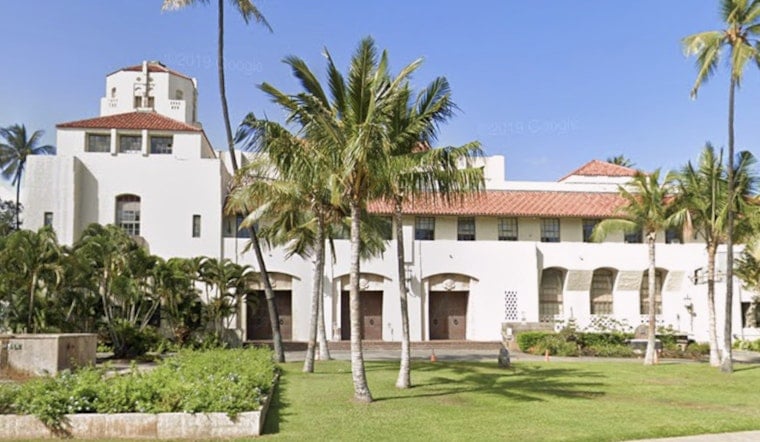
The Honolulu Charter Commission is weighing a citizen-written amendment that would force the Honolulu Police Department to verify both the identity and the legal authority of federal immigration agents before helping them. Supporters say the move would shield immigrants from people posing as officers and help preserve safe access to schools, hospitals and courts. A commission review group has already recommended advancing the measure, and the full commission is set to take it up on Tuesday.
What the proposal would do
Proposal P045, submitted by Honolulu resident Jess Moore, would add a new subsection directing the chief of police to adopt and enforce policies that protect “all persons within the City and County of Honolulu, regardless of immigration or citizenship status.” According to the P045 submission filed with the Charter Commission, HPD officers would only assist with civil immigration enforcement if there is a verifiable legal mandate and, even then, only after confirming the requesting agency and individual officers through official channels. City and County of Honolulu.
How the commission has moved it forward
The Charter Commission’s Permitted Interaction Group on Operations and Public Protection called P045 compelling and recommended that it move ahead. In its view, putting HPD’s duty to safeguard constitutional rights directly into the charter could help protect the public from unauthorized enforcement actions and people impersonating law-enforcement officers. The group laid out its reasoning in an April report. City and County of Honolulu.
Timeline and next steps
The Charter Commission has to lock in which proposals will go before voters by mid-July so the questions can be translated and delivered to the City Clerk in mid-August. The goal is to place any approved charter questions on the Nov. 3 general-election ballot. The commission’s public schedule lists a meeting on Tuesday at 2:30 p.m. in the City Council Chamber, where P045 is set for more discussion. Honolulu City Council.
Supporters, police and legal voices
Backers say clearly drawing the line on local cooperation with federal immigration enforcement would reassure immigrant communities and lower the risk that residents fall victim to impersonators. The Legal Clinic’s executive director, Bettina Mok, told the commission in written testimony that a judicial warrant provides a legal basis for entry while an administrative federal warrant does not, and argued that tighter city policy would protect residents and public trust, as reported by Civil Beat. HPD spokeswoman Claudette Springer has said the department does not participate in federal civil immigration enforcement and that it currently has no plan to offer testimony to the commission.
How P045 could reach voters
If commissioners vote to advance P045, it will land on the slate of measures voters see in November. The body must finish its selections by mid-July and start voter outreach in August, under its current schedule. Supporters concede that the precise ballot language, along with a clear public-education push, will play a big role in whether the amendment survives at the polls. Honolulu City Council.
State context and legal questions
The city effort is unfolding as the state Legislature has passed a package of immigrant-protection bills that would restrict how state and local agencies cooperate with federal immigration authorities. Those bills are now on Gov. Josh Green’s desk, according to Civil Beat. Legal experts cited in that coverage note that many state and local measures have survived challenges in court because they limit local cooperation rather than attempt to regulate federal agents themselves, though the risk of legal fights and political fallout still hangs over the issue.
What to watch
All eyes will be on Tuesday’s meeting to see whether commissioners seek formal testimony from HPD or the Police Commission and whether they tweak P045’s language before any vote. If the proposal advances, the final ballot wording and how aggressively the city explains it to voters will likely shape how island residents respond in November.



