

























































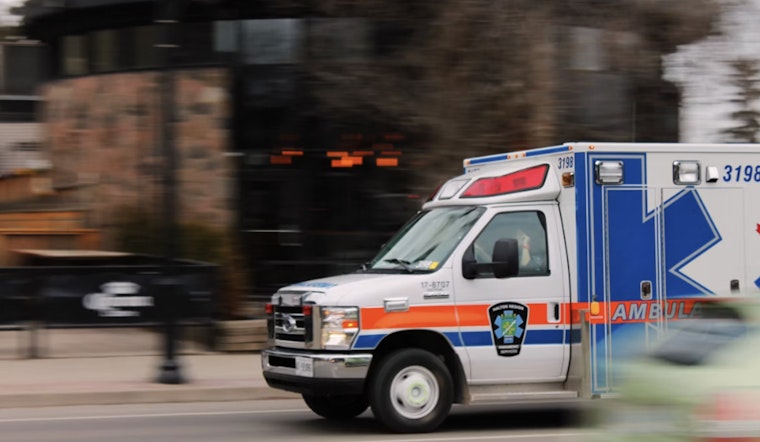
On Friday, Brinnon Fire Department told residents it is teaming up with Quilcene Fire Rescue and Discovery Bay Fire Rescue to look at a regional Advanced Life Support pilot for south Jefferson County. The idea on the table is a shared paramedic response unit, often nicknamed an "ALS sprint car," that would bring paramedic-level care to time-critical medical calls along the Hood Canal corridor while local ambulances keep handling patient transport.
In a Facebook post, Brinnon Fire Department called the proposal a work in progress, saying it is still in the feasibility and development stage and that "no final funding source, employer structure, or final operational model" is set. The department explained that the ALS unit would be dispatched to the most serious medical emergencies and back up existing ambulance services, while Brinnon, Quilcene and Discovery Bay would continue their current EMS response and transport roles. The stated goal is to figure out how to boost access to paramedic-level emergency care in the rural communities that line the Hood Canal.
What Advanced Life Support Would Bring
Advanced Life Support, or ALS, refers to paramedic-level care delivered outside the hospital: advanced airway management, cardiac monitoring and pacing, IV or IO access, and a wider range of medications given under medical oversight. As laid out in the King County Medic One/EMS strategic plan, paramedics are trained to deliver these high-level interventions and usually serve as the second tier of response for the sickest patients. In rural areas, where hospital trips can be long, those skills, including targeted overdose treatment and advanced trauma care, can be the difference-maker before a patient ever reaches an emergency department.
How a Sprint Car Model Fits Rural Response
Many rural EMS systems lean on a non-transport "sprint" or "chase" vehicle staffed with a single paramedic who meets up with local crews at the scene. An ambulance crew still handles transport while the paramedic focuses on ALS care. The setup, described by Signal 51 Group and used by services such as Adams Regional EMS, lets the sprint car carry Advanced Cardiac Life Support medications and equipment so paramedics can start critical treatment right away. Supporters say it stretches ALS coverage without instantly adding the cost of more full-time ambulances. The tradeoff is that small or volunteer-heavy departments have to juggle dispatch, staffing and communication so a solo-medic response meshes smoothly with their existing coverage.
Where the Local Plan Sits Now
District leaders aired the regional ALS concept in public back in March, when Jefferson County fire districts met at Station 21 in Quilcene to review a Regional ALS framework, according to Peninsula Daily News and a notice from Quilcene Fire Rescue. Both the meeting materials and Brinnon’s Facebook post underline that the concept is still a pilot and that there are no final decisions yet on who would employ the paramedics, how the work would be structured, or how it would be funded. The aim, officials say, is to shave time off responses to the most urgent medical calls without changing which agencies actually drive patients to the hospital.
Red Tape, Staffing and Other Speed Bumps
Any upgrade to field ALS, paramedic practice or ambulance licensing in Washington has to comply with state certification rules, scope-of-practice limits and medical oversight requirements spelled out in the Washington Administrative Code. For small districts, that means sorting out who signs paychecks for the medics, how costs get divided, and how medical direction and quality assurance will be paid for and managed. Those very practical and regulatory questions are a big reason the departments are treating this as a feasibility study instead of rushing straight into full deployment.
If it moves forward, residents along the Hood Canal corridor could see faster access to treatments that matter in heart attacks, overdoses and major trauma. Getting there, though, will require regional planning, dollars on the table and the right state-level approvals before any shared sprint car starts rolling. For now, residents can keep an eye on local board agendas and district websites for updates; Quilcene’s meeting notice and Brinnon’s Facebook post both outline ways to track the project as it evolves.





