

























































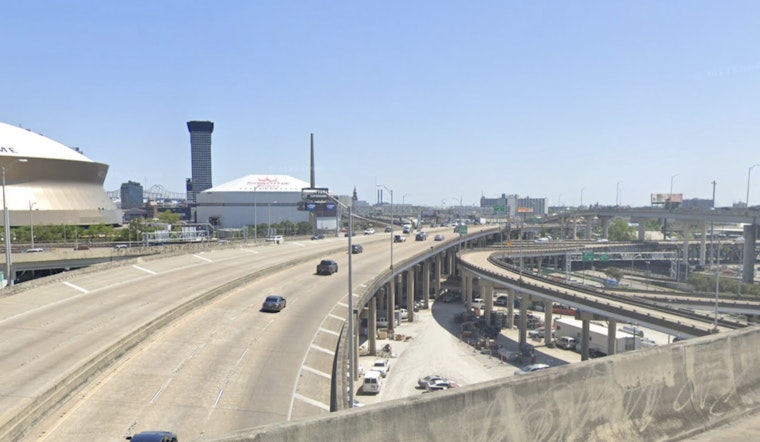
Louisiana is already treating the Atlantic hurricane season like it is on the doorstep, quietly turning interstate ramps into launch pads for mass evacuations ahead of the June 1 start date.
DOTD staging crews and gear
State transportation leaders say they are not waiting for a cone of uncertainty to appear on TV before moving. LaDOTD and the Louisiana State Police report that nearly 200 DOTD workers have been assigned to hurricane duty with troopers, and more than 1,300 cones, drums, barrels and signs are now staged at almost 20 ramp locations along key highways. The idea is simple but labor intensive: if contraflow or major closures are ordered, crews can flip traffic patterns faster instead of scrambling from scratch, according to WDSU.
That same coverage noted comments from DOTD official Scott Boyle, who underscored the stakes by pointing out that the greater New Orleans area alone is home to more than 1 million people who might need to move inland on short notice.
How contraflow would work
Contraflow, which means reversing the normal direction of interstate lanes so that every lane carries traffic away from the coast, remains very much a last-resort tool. State planners say it takes heavy staffing and intricate timing to pull off correctly.
Under the current plan, officials need at least 72 hours of lead time and a set of specific triggers before they will commit to full contraflow. Just getting there can mean hours of reprogramming traffic signals, closing ramps and shifting barriers. Those logistical headaches are a big reason contraflow is used only in the most severe storms, according to KFF Health News.
Why big fixes would be costly
A state contraflow task force has floated a less disruptive option: widen shoulders and rebuild key bridges so that, in a crunch, traffic could spill onto reinforced shoulders instead of flipping entire highways. In theory it is cleaner. In practice it is expensive.
DOTD has estimated that reconstructing shoulders and widening bridges along evacuation corridors such as I-10, I-59 and I-55 would run at least $1 billion overall, with some bridge projects alone costing tens of millions of dollars per mile, as reported by Governing. Lawmakers including Rep. Matt Willard have pushed for studies and pilot projects, while DOTD officials caution that money and logistics make quick overhauls unlikely.
What residents should do
Emergency managers keep returning to the same message: no amount of orange plastic will help if drivers are not ready to move. Residents are urged to keep gas tanks topped off as storms approach, build go-kits that include cash and paper maps in case cell networks or GPS fail, and map out several inland routes ahead of time.
Local coverage has also reminded drivers that evacuation trips can take up to four times longer than a normal drive on the same route, and that people should follow official channels for evacuation orders and timing, according to WDSU.
The bottom line
DOTD says it is treating late May like a dress rehearsal, with crews and troopers refreshing plans, checking equipment and staging gear so evacuation traffic plans can be switched on quickly if a storm threatens. Until the big-ticket highway upgrades are funded and finished, officials say the safest bet for residents is still old-fashioned preparedness and a willingness to leave early when the order comes.





