

























































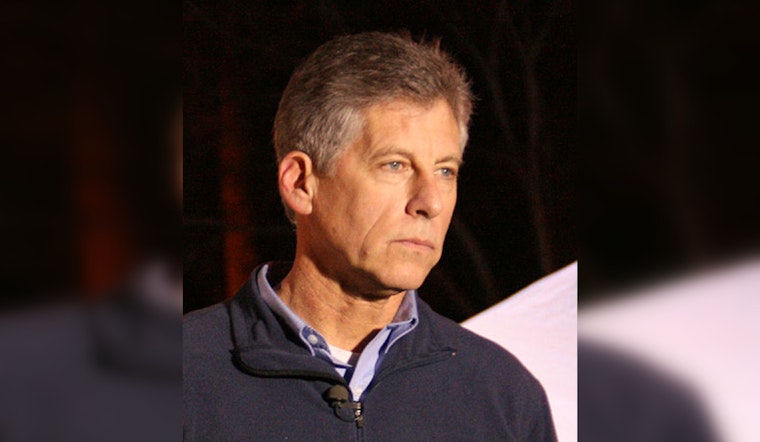
Mark Fuhrman, the former Los Angeles Police Department detective whose testimony and taped use of racial slurs became a lightning rod in the 1995 O.J. Simpson murder trial, has died at 74. He was the officer who identified the now-infamous bloody glove that prosecutors argued tied Simpson to the killings, and his clash with the defense over race and credibility helped define the trial’s most explosive moments. His death effectively closes a chapter in one of Los Angeles’s most debated criminal cases.
The Kootenai County Coroner's Office confirmed to TMZ that Fuhrman died "in the last week." The outlet, which first reported the story, said he died May 12 in Idaho and that, according to a close friend, he had been privately battling an aggressive form of cancer. NBC Los Angeles reports it has reached out to Fuhrman's family for comment.
How He Became A Central Figure In The O.J. Trial
Fuhrman vaulted to national prominence during O.J. Simpson’s 1995 murder trial, testifying about key pieces of evidence, especially a bloody glove recovered near Simpson’s home. Defense attorneys then confronted him with recorded interviews in which he used racial slurs, using those tapes to attack his credibility in front of the jury. At that moment, many reporters have noted, shifted the courtroom dynamic and public perception of the case, according to the Los Angeles Times.
Later Years And The Decertification Ruling
Fuhrman retired from the LAPD in 1995 and later reinvented himself as an author of true-crime books, a talk radio host, and a regular forensic commentator, according to NBC Los Angeles. Nearly three decades after the Simpson trial, the fallout was still catching up with him. In 2024, state officials barred him from ever returning to police work in California under a decertification law aimed at removing officers with criminal convictions or proven bias, as reported by AP. The ruling underscored how the controversies that erupted during the Simpson case continued to shadow his public life.
Legal Notes
Fuhrman’s most serious legal fallout arrived in 1996, when he pleaded no contest to a felony count of perjury after recordings surfaced that contradicted his sworn claim that he had not used racial slurs in the previous decade, per the Los Angeles Times. The plea kept him out of jail but left a permanent legal and reputational stain that later factored into disciplinary and certification decisions.
Why The Case Still Resonates
The Simpson trial reshaped how Los Angeles talks about evidence, police credibility, and race, and Fuhrman’s role remains a flashpoint in that ongoing debate. News outlets have pointed out that the trial and its aftermath still influence department policy and public expectations around policing, even decades later, according to AP.





.jpg)