

























































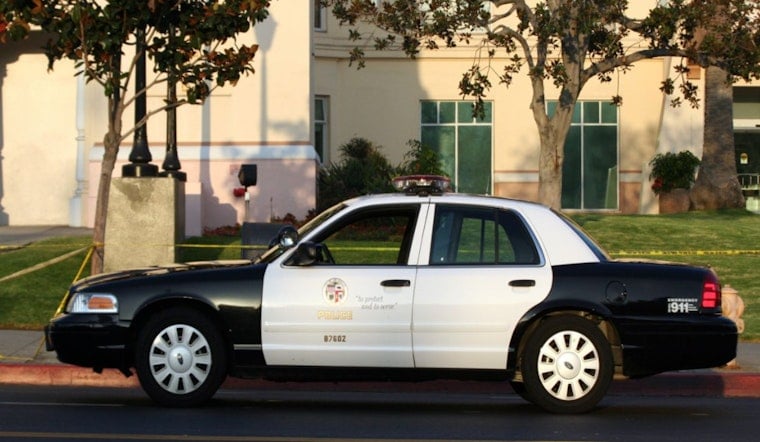
The Los Angeles Police Department's Robbery‑Homicide Division, the squad that handles the city's most notorious murders and high‑stakes heists, is trying to honor a storied past while keeping up with twenty‑first century crime. Detectives here still lean on gut instincts, door‑knocking and painstaking legwork, but now they also pull torrents of data from phones, tow‑yard records and sprawling surveillance networks. That push and pull between legacy and technology was on full display during a recent inside tour with the unit's commanders.
Commanding the Unit
Captain Scot M. Williams, the commanding officer of Robbery‑Homicide and a second‑generation LAPD member, oversees the division's specialized detectives. According to the Los Angeles Police Department, the RHD was created in 1969, and the department publicly lists the unit’s sections, contact lines and staffing. Williams says he hand‑selects investigators for the squad and expects both tenacity and creativity from anyone who makes the cut.
Inside Pressures and New Threats
During a tour with ABC7, the division's leaders described the squeeze they feel from two sides: shrinking budgets that can "threaten the division's edge" and suspects who now use artificial intelligence to muddy or manufacture evidence. In that interview, Capt. Williams said the mission itself has not changed and added, "We try very, very hard not to be checkbox detectives here." The message was that investigators are still expected to chase leads the old‑fashioned way, even as they dive into increasingly technical work.
History on the Walls
The division’s hallways double as a crash course in Los Angeles crime history. References to the Manson murders, the Night Stalker case and the O.J. Simpson trial sit alongside displays that acknowledge both successes and serious missteps. As detailed by the Los Angeles Times, past controversies over how evidence was handled, and even the rare instances when investigators had to look at one of their own, still shape how the department trains homicide detectives. The Lazarus case, in which the unit had to turn its lens inward, remains a recurring example when those lessons are discussed.
Forensics, Digital Tools and Data
Detectives say their biggest edge now comes from the forensic infrastructure behind them: serology and DNA work, firearms analysis, toxicology and a technical investigation arm that handles latent prints and electronic evidence. The LAPD’s public materials describe the Forensic Science Division and Technical Investigation Division as the backbone of modern murder investigations, providing the lab and electronic‑evidence support that detectives depend on. Because of those resources, cases that once lived or died on tip lines and shoe leather now frequently hinge on microscopic biological traces and sprawling digital footprints.
Staffing, Restructuring and a Live Test
Recent organizational shifts have also changed how the unit operates day to day. ABC7 reported that RHD’s ranks fell to roughly 70 personnel until last year, and that a department restructuring folded additional homicide responsibilities into the division. Capt. Williams says those moves have reset both priorities and pressure points. The changes have played out in live view on high‑profile cases, including the April arrest of musician David Anthony Burke, also known as d4vd, in Hollywood. The Los Angeles Times reported that Burke was booked in connection with the case and later pleaded not guilty as detectives presented their material to prosecutors.
What This Means for Angelenos
For Los Angeles residents, this mix of seasoned investigators, crime labs and digital specialists means major cases may move slowly but often rest on more kinds of evidence than ever before. The work is still painstaking: detectives knock on doors, chase paper trails and wait on lab results, all while combing through terabytes of data. People with information about violent crimes are encouraged to contact LAPD detectives or use anonymous tip lines such as Crime Stoppers. Williams and his team say their top priority, amid all the technology and turnover, is to deliver justice for victims and their families.




