

























































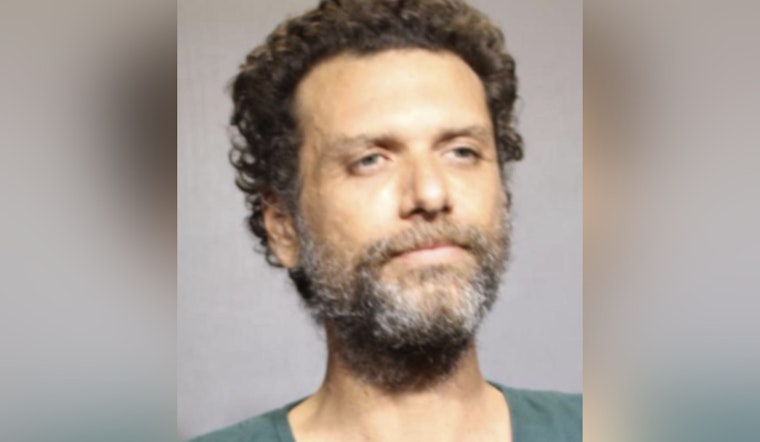
A 46-year-old Jacksonville man died while under medical care at a local hospital after being found in medical distress, according to the Jacksonville Sheriff’s Office. Authorities identified him as Benjamin Todd Daley, who had been taken from jail to the hospital the day before he died. JSO has opened an investigation and is waiting for the Medical Examiner to determine the cause and manner of death, a process that routinely draws close attention from community advocates who monitor in-custody deaths and jail medical care.
According to News4JAX, JSO said it was notified at 7:49 a.m. Wednesday that Daley had been taken to the hospital on Tuesday after being discovered in medical distress. The outlet reports that Daley, 46, was arrested March 19 on charges of battery on a person 65 years of age or older and possession of drug paraphernalia. News4JAX also reports that the agency does not currently suspect foul play while investigators wait for autopsy findings.
How JSO investigates in‑custody deaths
Under Jacksonville Sheriff’s Office policy, the agency’s Cold Case Unit is assigned to investigate any in‑custody death and to coordinate evidence collection, witness interviews and work with the State Attorney’s Office. The Jacksonville Sheriff's Office manual also spells out steps for securing body‑worn camera footage and describes how incident data may be released to the public, with required legal redactions. Those procedures guide the inquiry while the Medical Examiner conducts testing and prepares official findings.
Broader concerns over jail medical care
Recent local reporting has raised broader questions about how Northeast Florida jails decide when to send people to the hospital and how private medical contractors deliver care behind bars. As detailed by Jacksonville Today (in partnership with The Florida Tribune and ProPublica), investigators have documented cases in which delayed hospital transfers and gaps in treatment came before fatal outcomes. That backdrop is part of why advocates say transparency from law enforcement and the Medical Examiner is critical when someone dies in custody.
Legal process and next steps
JSO policy requires that evidence be preserved, that statements be collected from everyone involved and that the State Attorney’s Office be notified whenever a person dies in custody. The Jacksonville Sheriff's Office guidance also outlines timelines and standards for releasing reports and any available video to the public. Once the Medical Examiner issues autopsy and toxicology results, those records will shape what legal or administrative steps come next.
JSO told News4JAX that the investigation is ongoing and that more information will be released after the Medical Examiner’s findings are completed. The agency has not identified the hospital or provided additional medical details. Anyone with information about the case is asked to contact JSO’s media relations office for comment.





