

























































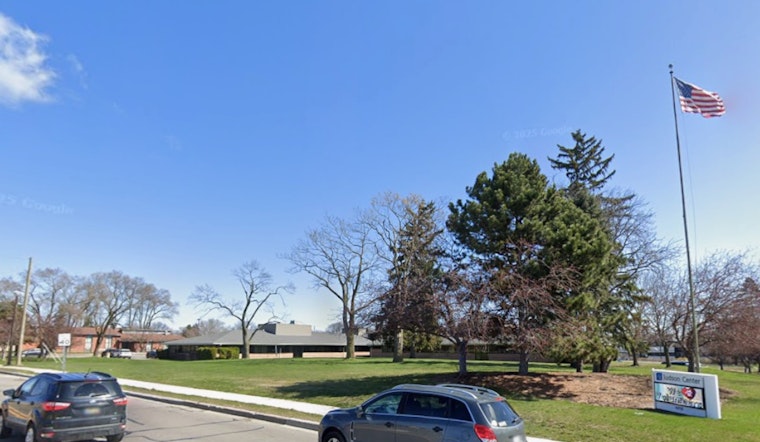
On April 6, Judson Center and its affiliate Child Safe Michigan officially kicked off a yearlong overhaul of their historic Royal Oak campus, a project leaders say will allow the nonprofit to serve roughly 900 more children, adults and families each year. The work will modernize program and clinical space across the property, where the agency first opened its doors in 1924.
Construction timeline and ceremony
Construction is slated to start immediately and is expected to wrap in about a year, according to a news release from Judson Center. The April 6 groundbreaking drew roughly 150 people and featured remarks from state and local officials, board members and family members who shared personal stories about the agency's impact, as reported by the Royal Oak Review.
What the master plan adds
The campus master plan calls for larger rooms and offices for Child Safe Michigan and Child & Family Services, expanded space for the Autism Connections program and a new visitation-room suite to support foster-care and adoption services. Plans also include an on-site behavioral-health clinic for outpatient care. Designers worked in a new ring road to improve drop-off and emergency access and reserved space for future program growth, according to the Michigan Chronicle.
Funding and partners
The project is part of Judson Center's Centennial Capital Campaign, which has raised about $8.5 million toward a $9.5 million goal. The effort includes three $1 million gifts from The Carls Foundation, the State of Michigan and an anonymous donor, and the board and executive team have committed $1.2 million, according to Judson Center. Design and construction partners named for the first phase are Stantec, Nowak & Fraus Engineers, Cadaret Architecture and Gilbane Building Company.
Why this matters locally
Agency leaders say centralizing autism, behavioral and primary-care services on the Royal Oak campus will make integrated care easier to deliver and shorten the path to treatment for families across six counties. The renovation comes as advocates and policymakers continue to call for more foster-care capacity and improved behavioral-health access in Michigan, a backdrop campaign supporters stressed while making the case to donors and local officials.





