

























































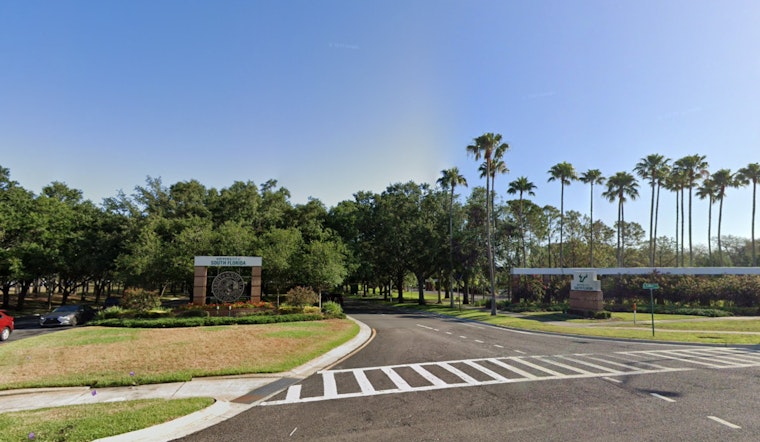
A student protest group kicked off the University of South Florida’s Tampa campus is asking a federal appeals court to bring its free speech case back from the dead.
Students for a Democratic Society’s Tampa Bay chapter filed an appeal on May 29, 2026, seeking to revive its federal lawsuit against USF. The group says the university retaliated after pro‑Palestinian demonstrations on April 29 and 30, 2024, led to arrests and the chapter’s expulsion, and it wants those punishments wiped away. The appeal is the latest turn in a fight that has roiled the USF community since last spring.
According to WUSF, the lawsuit, originally filed in October 2025, sought damages and reinstatement for students who were expelled or suspended after the April 2024 demonstrations. The complaint raised both federal and state claims, including alleged First Amendment violations and a claim under Florida’s Campus Free Expression Act, arguing that campus rules were enforced in a way that silenced pro‑Palestinian organizing.
Judge Tosses Case, Says Policies Were Neutral
In an April 10, 2026 order, the district court granted USF’s motion to dismiss, finding that the students had not plausibly alleged that specific university officials personally violated their constitutional or statutory rights. The judge concluded that the challenged policies were content‑neutral time, place and manner restrictions and ordered the action “dismissed with prejudice,” according to the U.S. District Court record.
Students Push Back, University Stands By Sanctions
Plaintiffs and their supporters argue the ruling effectively lets universities shield disciplinary decisions behind neutral‑sounding policies and say the penalties have cost students both degrees and a voice on campus. Victoria Hinckley, the expelled SDS president, said the process “proved to us that USF doesn't value free speech,” and the university told reporters it “stands by the sanctions” and will continue to defend itself in court, according to WUSF.
What The Appeal Could Mean For Campuses
Legal scholars say the appeal will test how courts apply time, place and manner doctrine to public‑university conduct codes, and whether state laws like Florida’s Campus Free Expression Act change that analysis. The district court’s order leans on precedent upholding content‑neutral restrictions, as reflected in the court opinion, while trackers of campus speech litigation caution that the case’s mix of expulsions, trespass notices and pressure from outside stakeholders could make it especially consequential for other Florida campuses, according to Duke’s campus-speech project.
The plaintiffs moved quickly after the dismissal, filing an appeal this week, as reported by the Tampa Bay Times. Appeals from the Middle District of Florida go to the U.S. Court of Appeals for the Eleventh Circuit, which is the next stop for the case, according to the Eleventh Circuit website. Both sides say they expect the legal fight to continue for months.



