

























































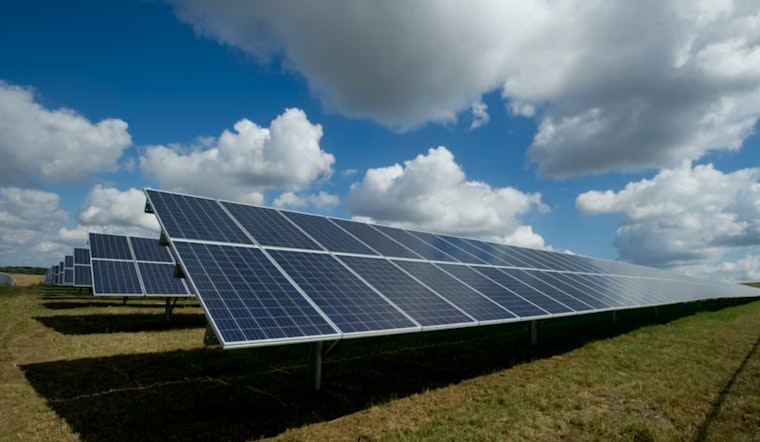
Los Angeles-based CIM Group is plugging into the national grid in a big way, rolling out Permanent Power Company as a dedicated platform to own and run utility-scale power assets across the United States. The new vehicle debuts with a hefty opening portfolio: roughly 1,200 megawatts of solar photovoltaic capacity, about 690 megawatts of battery energy storage, and 15 miles of transmission lines, heavily concentrated in California. That package is paired with a long-term power purchase agreement with the regulated power arm of a global energy supermajor and a $400 million financing commitment aimed at helping the platform scale.
Platform Launch And Strategy
According to Connect CRE, Permanent Power Company bundles CIM’s existing renewable generation and storage projects into a single operating platform designed for durable, long-term ownership rather than quick flips. The outlet, which reported the launch on May 15, 2026, framed the move as a shift toward packaging projects and contracts so they can be operated at scale instead of sold off one by one.
How It Builds On Earlier Moves
CIM has been quietly building toward this moment for several years, assembling energy platforms piece by piece. In October 2025, it formed Westlands Electric Power Company to house large solar plus storage projects in California, as laid out in a CIM Group press release. Earlier, the firm created Terreva Renewables to develop renewable natural gas projects, a step detailed in another CIM Group announcement. Those prior platforms help explain how CIM assembled the solar, storage, and transmission assets now folded into the new national vehicle.
Financing And Offtake
Per Connect CRE, HPS Investment Partners, which operates as part of BlackRock Private Financing Solutions following BlackRock’s acquisition of HPS, has lined up a $400 million financing commitment for Permanent Power Company. On the revenue side, CIM has secured a long-term PPA with the regulated power division of a reported $200 billion global energy supermajor. That combination of contracted cash flows and committed capital is intended to support delivering power at scale to institutional buyers instead of chasing smaller, one-off deals.
Why Investors Are Consolidating Power
The move lands as investors and large corporate energy buyers increasingly shift from stand alone power purchase agreements to longer-term ownership structures or dedicated platforms. The goal is straightforward: lock in reliable power for growing loads, especially energy-hungry data centers. Google’s acquisition of Intersect Power in late 2025 is a high-profile example of that trend. As Axios reported, that deal highlighted a broader push to co-locate generation and storage next to big industrial and digital power users. That same market pressure is helping drive private owners to package assets inside focused operating companies instead of selling projects as they come off the construction line.
Permanent Power Company now gives CIM a clear, dedicated vehicle to hold and operate its renewables and storage portfolio while it aims to grow from a California-heavy base into a truly national platform. Next up: watch for regulatory filings, project milestones, and any eventual disclosure of the PPA counterparty as construction advances and commercial operations ramp.




