

























































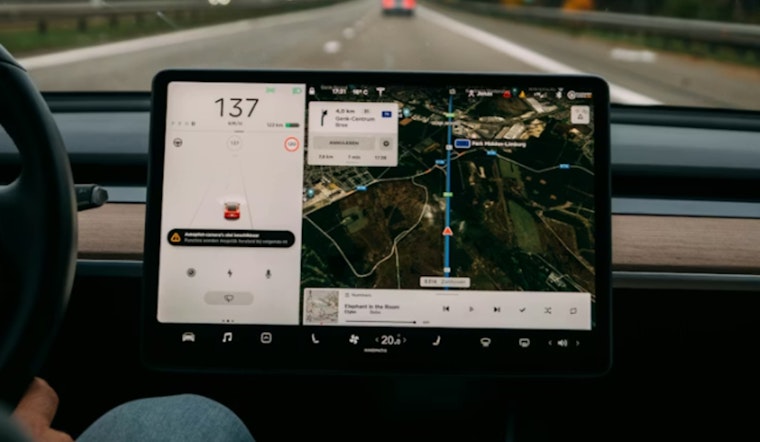
Los Angeles County District Attorney Nathan J. Hochman said Friday that General Motors has agreed to pay $12.75 million to resolve a civil consumer-protection lawsuit accusing the automaker of selling OnStar subscribers’ driving and location data without telling customers enough about it. The proposed settlement, worked out with the California attorney general and the district attorneys of Napa, San Francisco and Sonoma counties, would require GM to delete stored driving data, halt certain data sales and overhaul its privacy program, all subject to court approval.
Prosecutors allege that between 2016 and 2024 GM collected and kept driver and driving-related information on hundreds of thousands of Californians, including names, phone numbers, home addresses, GPS locations and driving events such as speeding, rapid acceleration and hard braking. According to the complaint, GM began selling that information in 2020 to data brokers LexisNexis Risk Solutions and Verisk Analytics. Officials say the company reportedly earned about $20 million nationwide from those sales. Under the proposed agreement, GM would be barred for five years from selling such data to consumer-reporting agencies, would have 180 days to delete retained driving data and would be required to ask its data partners to purge related records. As MyNewsLA reported, GM would also have to build out a stronger privacy program and file regular assessments with state enforcement offices.
Federal context
The announcement lands on the heels of a separate federal enforcement move. In January, the Federal Trade Commission finalized an order that bars GM and OnStar from disclosing precise geolocation and driver-behavior data to consumer-reporting agencies for five years and requires stronger consumer controls over telematics data. In its press release, the FTC said the order requires affirmative consent in many situations and gives drivers rights to access and delete their connected-vehicle information.
“This settlement makes clear that car companies cannot secretly speed off with your personal data for profit,” Hochman said in a statement. As MyNewsLA noted, the deal, which still needs a judge’s signoff, would also obligate GM to request deletions from LexisNexis and Verisk and to strengthen privacy oversight across its OnStar operations.
GM response and related lawsuits
GM has said it shut down the OnStar Smart Driver program and ended its third-party telematics relationships with LexisNexis and Verisk amid the controversy, describing those moves as part of a broader effort to improve customer privacy. As TechCrunch reported, the FTC order and the state actions are unfolding alongside a wave of private lawsuits. Courts recently allowed many class-action claims to move forward, according to Law360.
What drivers should know
Drivers who used OnStar can request access to their records and may be able to have telematics data deleted under the federal order and state privacy laws. The FTC’s January release explains how consumers can seek access, download or deletion of connected-vehicle data. Federal guidance also makes it clear that automakers must provide clear, affirmative consent steps before collecting location and driving-behavior data, and that consumers still using connected services should take a hard look at their privacy settings.
Legal implications
State prosecutors characterized the GM deal as a civil enforcement settlement focused on stopping what they allege are unfair and deceptive practices, rather than pursuing criminal penalties. The agreement would not wrap up the broader litigation picture. Plaintiffs around the country are still pressing federal claims and state class actions that could seek damages and additional court-ordered changes, a path detailed in court coverage by Law360.
For Angelenos, the proposed settlement is a concrete check on how long and how broadly automakers can try to cash in on driving records, and it is a not-so-subtle reminder to find out what your own car’s connected features may be reporting about every trip you take.





