

























































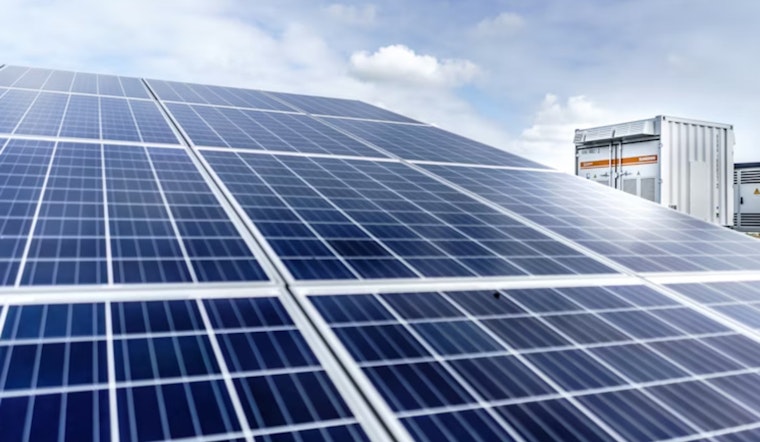
California’s marquee effort to put free solar-plus-battery systems on the roofs of low-income households has slammed into a wall, leaving families without the backup power they were promised and mom-and-pop installers scrambling for cash. Contractors say months of delayed reimbursements and fresh paperwork hurdles have ground work to a halt, with gear sitting idle just as hotter weather and wildfire season creep closer.
The program, recently revamped to focus more tightly on lower-income residents and backed by state funding under AB 209, was pitched as a near turnkey deal for qualifying customers. Program materials describe a state allocation in the hundreds of millions of dollars, and according to SGIP, the Residential Solar and Storage Equity budget was structured to deliver no-cost systems to thousands of households.
Regulators paused payouts after steep cost swings
In February the California Public Utilities Commission temporarily froze key parts of the RSSE rollout after an internal review uncovered sharp swings in reported project costs, including identical batteries showing up at very different prices. The Assigned Commissioner’s Ruling labeled those discrepancies “unreasonable” and ordered program administrators to collect extra receipts and detailed cost breakdowns before releasing incentive payments. CPUC also flagged average project costs that were far higher than what the program originally assumed.
Commission: some payments can move forward, audits still coming
To ease the logjam, regulators followed up in early May with a ruling that lets program administrators cut checks for completed projects once incentive claim forms and supplemental cost documentation are in, while keeping the Commission’s audit power intact. The ruling notes that “PAs will not conduct a cost verification review before funds are distributed,” and points out that the Commission’s audit arm can later review whether reported costs follow program rules. CPUC says the May 8 directive is meant to strike a balance between getting money out the door and protecting ratepayer dollars.
L.A. rollout was dominated by big firms
On the ground in Los Angeles, smaller solar companies say the opening round of funding was effectively swallowed by industry giants. As reported by LAist, Sunrun filed applications seeking as much as 97 percent of the RSSE funds available in Los Angeles Department of Water and Power territory. LADWP told reporters it had received 451 RSSE applications and, so far, had approved just one single-family project for about $28,000.
Smaller installers say they are on the brink
Contractors interviewed by LAist say they have already paid for equipment and labor with the expectation that reimbursements would follow in short order. “We were very excited… and now the terms are changing,” one installer told regulators. Another warned that he “could be out of business by June” if the money does not start flowing. At a recent commission meeting, the co-founder of Haven Energy said fully approved systems are “sitting in warehouses instead of on homes,” a standstill that installers say leaves low-income residents without the bill savings and resilience they were counting on.
What it means for households
The RSSE budget was supposed to reach residents in the hottest, most fire-prone neighborhoods, delivering bill relief and protection during outages. Every month of delay means at-risk households miss out on those near-term benefits. SGIP program notices and the 2026 handbook link AB 209 funds to specific encumbrance and liquidation deadlines, with administrators citing timelines that run through mid 2028 for AB 209 activity, and they warn that money that is not used within the rules could be sent back to the state. SGIP also reiterates that finished projects can still face a post payment audit.
What’s next
Developers and advocates are pushing for clearer, faster guidance from regulators and speedier payments from program administrators so work that has already been contracted can finally be finished. Regulators have equipped themselves with audit tools to safeguard ratepayers, but installers argue the immediate test is simpler: whether the current stopgap moves land in time to keep small firms alive and to deliver the backup power low-income families were promised.





