

























































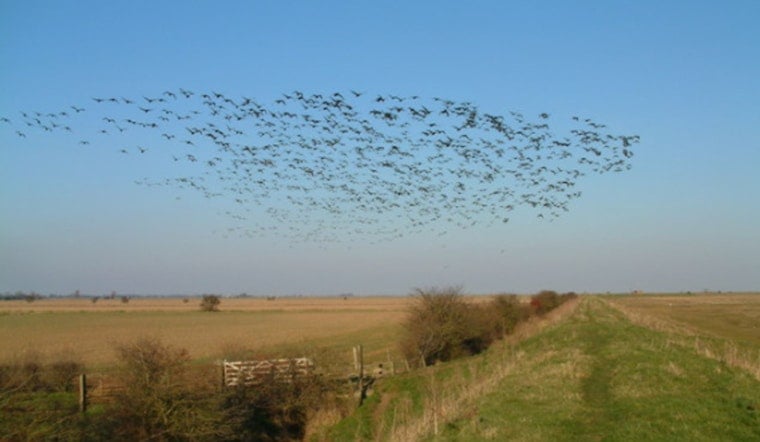
On Wednesday night, Minnesotans are being urged to dim or switch off nonessential lights as an enormous wave of migrating birds passes over the state. Forecast models show a once-per-season surge of nocturnal migrants, and conservation groups warn that bright urban lighting and glassy skylines can disorient birds and cause fatal window collisions. Homeowners, apartment dwellers and building managers are all being asked to cut back on unnecessary lighting late this evening.
What The Forecast Says
Roughly 42.9 million birds are expected to fly over Minnesota on Wednesday night, and the lab has issued a "high" lights-out alert for nearly the entire state, according to Purdue's AeroEco Lab. Forecast maps show migration staying strong into Thursday and Friday, with about 25 million birds projected on Thursday and roughly 15 million overnight Friday, which keeps large parts of the state under alert. The lab advises residents to dim or turn off nonessential outdoor lighting during peak migration windows.
Cities Under The Flight Path
City-level forecasts show especially heavy movement over the Twin Cities and Rochester: nearly 28,000 birds above Minneapolis, more than 25,000 over St. Paul and about 20,000 above Rochester, as reported by the Star Tribune. The Star Tribune also noted that groups such as Starry Skies North recommend closing blinds and drawing curtains to cut down on disorientation and window strikes.
How To Help And When To Do It
Small changes add up: turn off exterior decorative lighting, dim lobby and atrium lights, and close shades on upper-floor windows. The Minnesota Department of Natural Resources recommends turning off nonessential lighting between midnight and dawn during spring migration, from March 15 to May 31, according to Lights Out guidance from the Minnesota Department of Natural Resources. Local and national initiatives such as Audubon Minnesota say coordinated darkening of buildings significantly cuts collisions while also saving energy.
Why One Night Can Matter
Purdue's AeroEco Lab notes that the biggest migration nights are relatively rare but outsized in impact: "High alert (red) nights are ~10% of the season (~9 nights) but account for ~51% of total movement," meaning a single darker night can spare millions of birds from unnecessary risk. That concentration is why conservation groups push for targeted action on the busiest migration nights instead of calling for broad, year-round shutdowns. If many people make even modest changes, the effect adds up quickly.
Where To Follow The Migration
For live forecasts and migration maps, check BirdCast. The Minnesota Bird Coalition is coordinating a statewide Lights Out Alert network that shares information with partner organizations and cities. If you find injured or stunned birds, local wildlife rehabilitators and the Minnesota Department of Natural Resources offer guidance on care and reporting, and many conservation groups will be posting nightly alerts so residents know exactly when their help matters most.



