

























































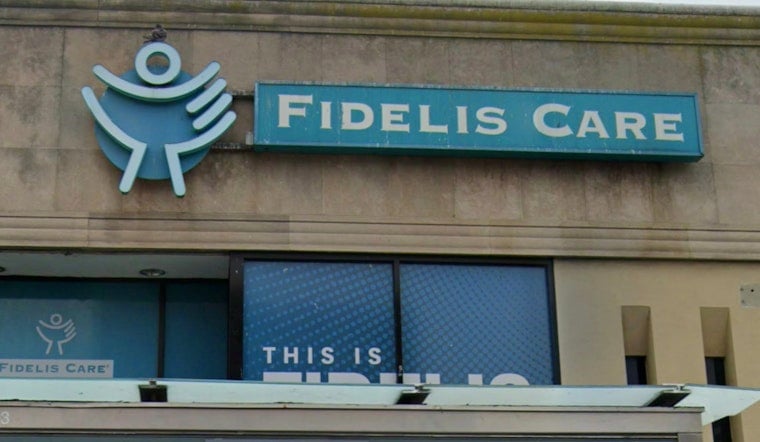
Northwell Health and Fidelis Care are deep in contract talks that could cut thousands of Fidelis members off from Northwell doctors and hospitals if a deal is not reached by the July 15 deadline. For Dix Hills residents and other Long Island patients, that ticking clock could mean a scramble to line up new specialists or fight to keep coverage for ongoing treatment. The dispute over how much Fidelis will reimburse Northwell for care looms over scheduled surgeries, follow-up visits and long-term management of chronic conditions.
What the deadline means
On its member information page, Fidelis says Northwell will stay in network through July 15, 2026 for most plan types, with some Wellcare by Fidelis Medicare plans ending earlier on June 30. The insurer also outlines what happens if the talks collapse, including continuity-of-care exceptions that may let certain patients finish ongoing treatment during a transition period. Members are pointed to a Find a Doctor tool and a dedicated hotline for help navigating any changes, according to Fidelis Care.
Northwell's stance
Northwell, in a statement to local media, argues that "Fidelis proposed reimbursement rates that fall well below the actual cost of delivering care." Fidelis counters that "the rates Northwell is seeking significantly exceed those paid to comparable providers." In other words, both sides say the other is asking for too much money. The back-and-forth lays bare the reimbursement math at the center of many hospital and insurer splits and helps explain why deals can stall even with a hard deadline looming. Both organizations insist negotiations are ongoing, but they have already marked dates on the calendar when patients could start feeling the impact, as reported by News 12.
Patients caught in the middle
For patients, the contract fight is not an abstract budget debate. Terri Eisen, a Fidelis member from Dix Hills, told News 12 she relies on a steady lineup of specialists and called the idea of finding new doctors in under 60 days "an onerous and unacceptable burden." For people dealing with chronic or complex conditions, a forced provider switch mid-treatment can slow diagnostic testing, disrupt medication adjustments and pile on extra paperwork with pharmacies and specialists. Eisen's story puts a human face on what might otherwise sound like a dry dispute between two large institutions, as reported by News 12.
How members can prepare
Fidelis is urging members to call 1-888-FIDELIS, check the online provider directory and ask specifically about continuity-of-care if they have upcoming procedures or ongoing treatment. The insurer also notes that emergency care remains covered even after the listed termination dates, and that some members may qualify to keep seeing their current doctors for a limited transition period if approved. Those who need help switching providers or exploring whether they are eligible to change plans are directed to Fidelis member resources and the New York State of Health marketplace for assistance, according to Fidelis Care.
Context
Contract showdowns between hospitals and insurers are nothing new, but they sting more in an era of higher premiums and narrower networks, where switching plans midyear can feel like a high-stakes gamble. A recent follow-up survey from KFF found that many marketplace enrollees report rising costs and mounting concerns about affordability this year, a backdrop that helps explain why insurers push hard for lower reimbursement in contract talks. With a July deadline circled on the calendar, negotiators on both sides have a tight window to avert real disruptions to patient care, according to KFF.




