

























































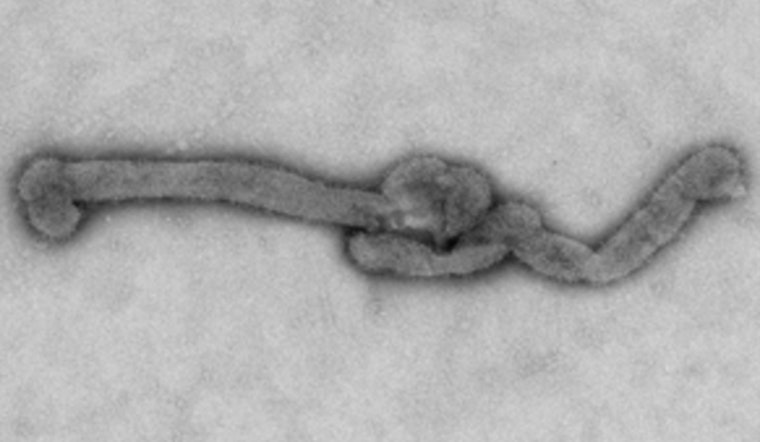
A Long Island man has pulled through after an infection with Bourbon virus, a rare tick-borne illness that officials say is the first confirmed human case in New York State. The case is a stark reminder that the virus can trigger serious, flu-like illness and that prevention, not a vaccine or specific antiviral, remains the main line of defense.
Local television first reported the case on Tuesday, describing the patient as a Long Island resident who recovered after receiving medical care. As reported by CBS News New York, state health authorities confirmed the infection through laboratory testing.
"There are no vaccines to prevent or medicines to treat Bourbon virus disease (Bourbon)," the U.S. Centers for Disease Control and Prevention notes, and clinicians are advised to coordinate testing through public-health laboratories. According to CDC, Bourbon virus can cause fever and abnormal blood counts and is treated with supportive care while diagnostic testing is arranged.
Scientists already knew that Bourbon virus was circulating on Long Island. Surveillance work had detected Bourbon viral RNA in lone star ticks removed from residents and neutralizing antibodies in white-tailed deer, pointing to local transmission dating back to 2019. That field surveillance and analysis were detailed in a 2023 dispatch in Emerging Infectious Diseases.
Symptoms and testing
People diagnosed with Bourbon virus have reported fever, fatigue, nausea, rash and low white-blood-cell and platelet counts, a cluster of signs that can look a lot like other tick-borne infections. The CDC recommends considering Heartland or Bourbon virus testing for patients with recent tick exposure and clinical signs such as leukopenia or thrombocytopenia that do not respond to antibiotics. Molecular and neutralization tests are available through public-health laboratories. Because commercial testing options are limited, state and local health departments typically collaborate with the CDC arbovirus laboratory for confirmatory testing.
Tick risk on Long Island
Long Island already has abundant lone star tick populations, and local extension programs regularly warn residents that these ticks are linked to several emerging pathogens. Cornell Cooperative Extension of Suffolk County emphasizes practical prevention as the best strategy to cut the risk from rare but serious infections: use EPA-registered repellents, wear long clothing in brushy areas, do thorough tick checks after spending time outdoors, and remove any attached ticks promptly. The earlier detection of Bourbon virus RNA in a Long Island tick underscores that those precautions matter, even in seemingly quiet suburban backyards.
State and local health departments say clinicians should alert public-health officials when a suspected case meets criteria for testing. Members of the public who develop fever or unusual symptoms after a tick bite are urged to contact their health care provider. For now, public-health officials are stressing vigilance and routine tick-bite prevention rather than outright alarm.




.jpg)