

























































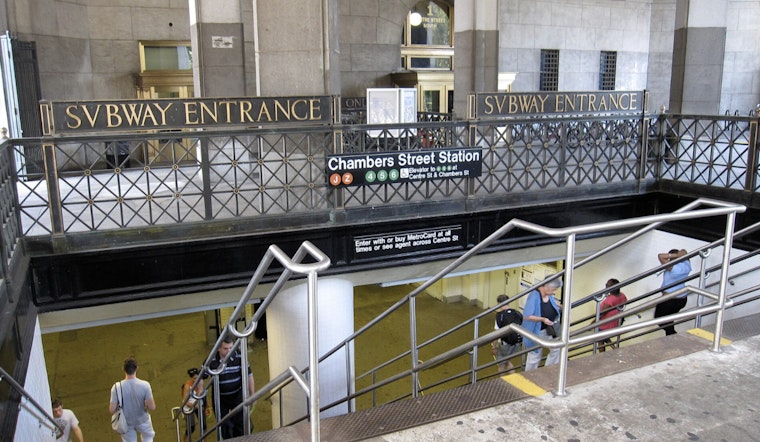
The MTA is finally giving the long-neglected Chambers Street J/Z platforms some love, putting the cavernous stop under the Manhattan Municipal Building on a shortlist for a major renovation worth more than $100 million. If the plan moves ahead, riders can expect repairs to stairs, finishes, lighting and those persistent water leaks. It is a rare big-ticket investment at a station regularly dragged for its decay and grime.
What the MTA is asking contractors to do
According to the MTA Construction & Development solicitation (Contract A46038), the project is a design-build renewal that includes structurally sensitive repairs, replacement of stairs and platform toppings, new platform-edge lighting, repairs to water-infiltration prevention elements and a full repaint and finish replacement. The public notice labels the effort historically sensitive, requires coordination with multiple city agencies and pegs the contract value at over $100 million. The solicitation also calls for new track-wall partitions and other structural work throughout the station complex.
Why the agency can pay for it
Federal court filings related to the Central Business District Tolling Program, the state congestion-pricing scheme, explain that the program was designed to create a local, recurring funding stream to help pay for large portions of the MTA capital program. Those filings link CBD toll revenue to projects in the agency capital plan, making congestion pricing a key new source of cash for station repairs and other upgrades. That legislative and legal backdrop is why some station projects have been brought back into procurement as new revenues are formally committed.
What will change at Chambers Street
The complex has long carried a reputation for being badly deteriorated; as the station's Wikipedia entry dryly notes, "Sections of the original design, including the ceiling and walls, are heavily damaged or deteriorated." The MTA notice presents the overhaul as primarily restorative, focused on cleaning and preserving historic finishes while swapping out damaged tiles and other worn materials. Streetsblog NYC reports that the vendor advertisement even calls for building a new ceiling and preparing the platforms for new artwork. For daily riders, the promise is brighter lighting, fewer leaks and sturdier stairs, alongside months of phased construction once work is underway.
Timeline and next steps
MTA spokesperson Aaron Donovan told Streetsblog NYC that the agency "hopes to award the contract for the repair work this year." Time Out, which reported that the MTA has re-advertised the design-build package, says construction would likely take roughly two years once a contractor is chosen. Prospective bidders must register through the MTA vendor portal to download documents and submit bids, and the agency procurement pages carry detailed instructions for interested firms and plan-holders.
What to watch
Advocates and preservationists will be tracking how the MTA balances historic restoration with modern safety and accessibility improvements, and how the agency stages the work to avoid widespread platform shutdowns. Local elected officials and business groups are likely to push for clear mitigation measures and firm schedules once an award is announced. We will watch for addenda to the solicitation and an eventual award notice, and report back as they appear.





