

























































After two decades in prison and a hard-fought exoneration, Lorain resident Michael Buehner has seen his last major courtroom battle come to an abrupt end. A federal judge has approved the dismissal with prejudice of his civil-rights lawsuit, closing a federal case that followed his long push to clear his name.
Buehner spent roughly 20 years behind bars after his 2002 conviction in the 2001 killing of 18-year-old Jerry Saunders, a case that later featured witnesses taking back their statements and newly discovered records surfacing. With the dismissal, his claims that Cleveland homicide detectives and former Cuyahoga County prosecutors coerced witnesses, withheld or destroyed evidence and fabricated testimony are now off the federal docket for good.
Judge Signs Off On Dismissal
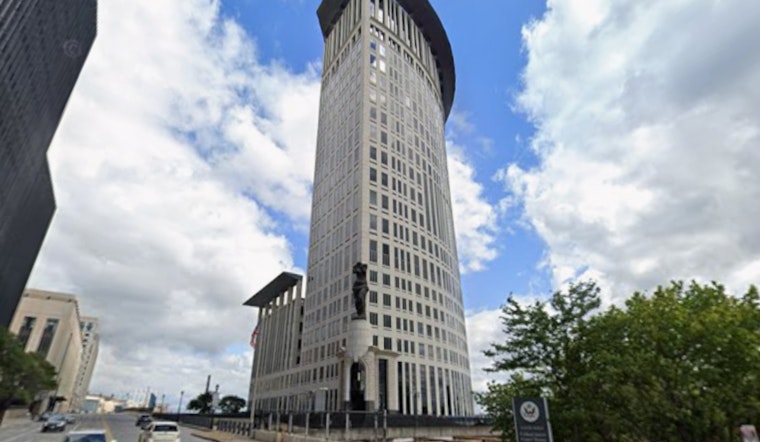
Buehner's attorneys asked the court to dismiss the lawsuit with prejudice, and U.S. District Judge Pamela Barker signed the order, formally closing the federal case that had been filed in his name. The move wipes out claims against the City of Cleveland, several former officers, and Cuyahoga County prosecutors that sought compensation for alleged constitutional violations tied to his conviction.
As reported by Cleveland.com, the dismissal was entered after filings from Buehner's legal team asking the judge to shut the case down.
What The Complaint Alleged
The civil-rights complaint, filed in July 2024, accused detectives and prosecutors of coercing witnesses, fabricating evidence, and withholding exculpatory material. Those allegations were laid out across eleven causes of action that included Brady and Monell theories, along with detailed claims about the investigation and prosecution.
Court records show the lawsuit moved through a familiar grind of motions and rulings before ending in dismissal. The procedural back-and-forth and the full list of claims are cataloged in the federal docket. According to the federal court docket at Justia, the complaint survived several early challenges before Buehner's lawyers ultimately asked the court to dismiss.
A Long Legal Road To Exoneration
The shooting death of Jerry Saunders took place on May 24, 2001, during what prosecutors described as a drug deal. Buehner was convicted the following year, in 2002, and sentenced to 18 years to life.
In 2021, an appeals court overturned that conviction and ordered a new trial. At the retrial in 2023, a jury needed only about two hours of deliberation to find Buehner not guilty. The state later approved roughly $1.85 million in compensation for him in February 2025. Those milestones, from the reversal of his conviction to his acquittal and the eventual payout, are documented by the National Registry of Exonerations and related court records.
State Payout And The Math
Ohio calculates compensation for people found to be wrongfully imprisoned using a per-year amount. In Buehner's case, reporting on the award identified a figure of $68,808.38 per year that was used to reach the roughly $1.85 million total. That calculation, along with the Ohio Controlling Board's action that approved the money, was detailed in local coverage of the payout.
For more context on the dismissal and the damages that were at issue, see reporting by Cleveland.com.
What The Dismissal Means Legally
A dismissal entered "with prejudice" means Buehner cannot refile the same federal claims, effectively closing this particular path to seek damages. His exoneration and state compensation remain on the books, but the federal civil-rights case is finished.
The complaint had included municipal-liability allegations and federal civil-rights claims under 42 U.S.C. § 1983, along with related Ohio-law counts. Earlier federal orders sorted through which of those claims could move forward before the parties jointly steered the case toward dismissal. Those rulings and the menu of claims are available in the public docket. According to the federal court docket at Justia, several motions were fully briefed and decided before the judge signed off on the final dismissal.





