

























































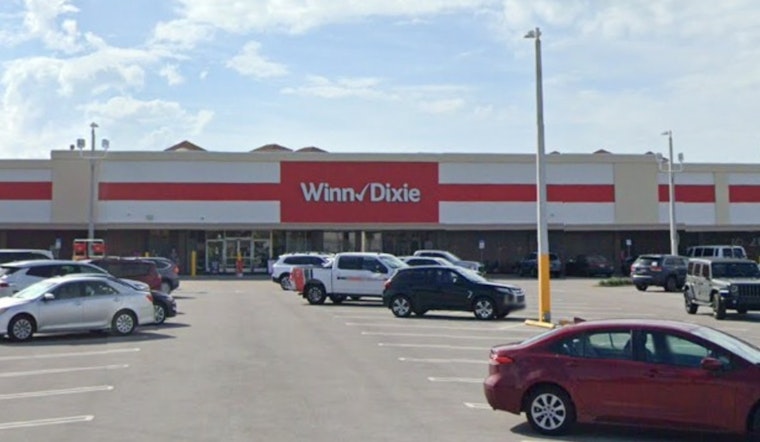
On May 1 in Madeira Beach, a routine renovation turned into a high-stakes wildlife rescue when part of the gravel roof on the former Winn-Dixie caved in during its conversion to an Aldi. As the rooftop gave way, it left behind a gaping hole and a banded pair of American oystercatchers sitting tight on their nest, guarding tiny chicks. Audubon Florida monitors who patrol rooftop nesting sites first spotted at least two newly hatched chicks and later confirmed a third. Remarkably, no workers or bystanders were hurt when the roof failed.
Madeira Beach firefighters say the call came in just before 9 a.m., and roughly 15 workers inside the building were able to evacuate after noticing the roof start to sag, as reported by FOX 13 Tampa Bay. The station reports the collapse left an estimated 100-by-40-foot hole and that a structural engineer was called in to inspect the damage. The city has since secured the property while inspectors determine whether construction can safely resume.
What Audubon Found on the Roof
The nesting oystercatcher pair, identified by leg bands as X16 and W35, have been using that rooftop as their breeding spot for years and were already on site when the collapse happened. Audubon Florida biologist Abby McKay told Axios she feared the chicks could tumble into the newly opened hole and drop into active construction below. Axios also reported that a third chick had hatched by the following Sunday and that a monitor will remain posted through the rest of construction to help protect the nest.
Rooftop Nesting: A Stopgap for Lost Beaches
Conservationists say gravel-covered rooftops mimic the open, shelly beaches that American oystercatchers prefer. As natural coastal habitat disappears, the birds have increasingly shifted to flat commercial roofs for nesting, according to Audubon Florida. Volunteers and rooftop biologists fan out across the Tampa Bay area to keep tabs on known rooftop colonies, reduce disturbance and rescue fallen chicks when needed.
What It Takes to Keep Nests Safe During Construction
When nesting shorebirds are present, state and federal regulators typically require pre-construction surveys, qualified bird monitors and work buffers, all of which can shape construction schedules and how crews move around a site. A Joint Coastal Permit exhibit reviewed by conservation contractors outlines required notification to the Florida Fish and Wildlife Conservation Commission, on-site bird monitoring and buffers when chicks are present, and it notes that work may be halted if nests are disturbed, per the permit language.
Why It Matters
American oystercatchers are listed as state-threatened in Florida, and their nests, eggs and young are protected under state and federal rules, the Florida Fish and Wildlife Conservation Commission notes. The close call in Madeira Beach underscores how shrinking beach habitat is pushing wildlife into human spaces and how careful coordination between cities, builders and conservation groups is often needed to keep vulnerable chicks alive.



