

























































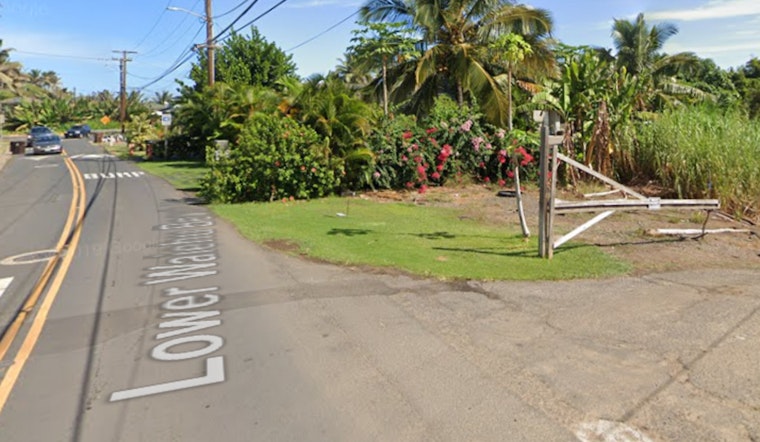
A sliver of shoreline at Kaʻehu Bay has become the latest flashpoint in Maui’s ongoing battles over land, access and Native Hawaiian rights.
The Maui County Budget, Finance and Economic Development Committee has voted to recommend that the full council sign off on buying a 0.41-acre parcel along the bay, even as a Native Hawaiian ʻohana insists long-standing deed and title questions need answers before taxpayer money changes hands.
The committee’s 6-3 vote to move the proposal forward, with supporters framing county ownership as a way to safeguard public shoreline access and opponents urging more outreach to the family, was reported by a 6-3 vote to push the deal ahead.
On paper, the deal appears as Bill 102 (2025) and Resolution 25-53. The measures would allow Maui County to purchase the 0.41-acre lot at 104A Lower Waiehu Beach Road from the Church of Jesus Christ of Latter-day Saints for up to $480,000 plus related costs, while redirecting money in the FY-2026 budget from a previously scrapped Lahaina land acquisition, according to Maui County records. County filings show appraisal documents and appropriation paperwork were traded with the seller as the price was hammered out.
Five testifiers urged the committee to tap the brakes. Kahala Johnson asked that the panel defer any action until a “facilitated good faith meeting” could be held with his ʻohana. Another testifier argued the church might not hold clear title under historic land commission award rules. Family member Dane Malo told councilmembers he had uncovered deeds predating the county’s 1938 chain of title and warned of generational impacts if the government presses ahead without resolving the claims, according to the outlet’s reporting.
Committee members pressed the Department of Finance on how certain the county is about who actually owns the land. Staff responded that a current title report and a written opinion from the Office of Corporation Counsel were already provided to the council and that the administration still supports moving ahead with the purchase. According to correspondence and agenda materials filed on Maui County Legistar, Budget Director Lesley Milner told the committee the administration would return land to a family if a court later rules that county-owned property rightfully belongs to them. Staff also noted the seller has another offer on the table and could put the parcel on the open market if the county walks away.
Kaʻehu Bay is not just another oceanfront line on a map. Groups including The Trust for Public Land have helped shield larger stretches of the bay’s wetlands and shoreline from development in past deals, while local organizations have taken on restoration and stewardship work aimed at protecting cultural sites and keeping access alive for the community. That history is a major reason some councilmembers argue county ownership beats a private sale.
Legal Questions Cloud The Sale
The objections raised by the ʻohana are not just about principle. They hint at potential litigation and years of title-clearing moves. Under Hawaii law, a party that believes its property rights have been trampled can file a quiet title action in circuit court to sort out competing ownership claims.
The mechanics of those cases, including available remedies and procedures for officially “quieting” title, are spelled out in Hawaii Revised Statutes Chapter 669.
What Comes Next
The Kaʻehu Bay purchase now heads to the full Maui County Council, which can approve the deal, amend it or hit pause. Residents tracking the controversy can find agendas, backup documents and meeting video on Maui County’s agenda site.





