

























































A one-night Point-in-Time count across Hawaii's neighbor islands shows a small net decline in homelessness, but the snapshot comes with a big asterisk. On the night of the canvass, volunteers and outreach teams identified 1,863 people across Maui, Kauaʻi and Hawaiʻi Island. For local communities and service providers, that mixed picture matters: family homelessness has dropped sharply over the last eight years, yet more people are sleeping outside and a growing share are living with serious mental-health challenges.
Small overall drop, wider reach
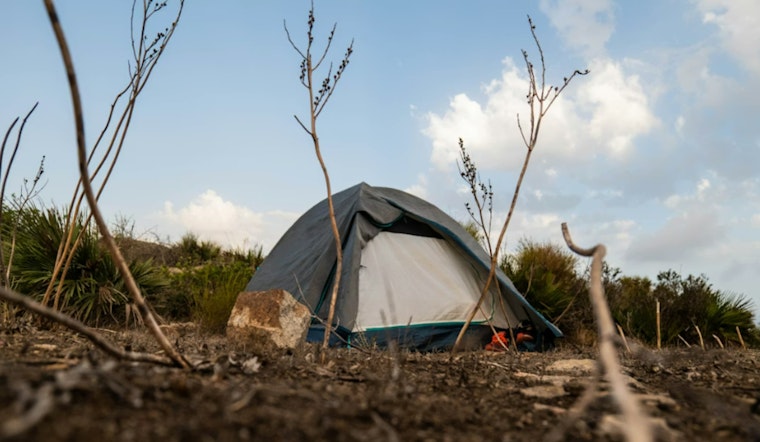
According to Civil Beat, the canvass, organized by Bridging The Gap, tallied 1,863 people, roughly a 2% dip from 2024. Volunteers did not just stick to the usual downtown hot spots. Bridging The Gap says teams pushed into remote lava fields, dense brush and hidden gulches to find people who are often missed during traditional counts, per Bridging The Gap.
Maui sees the biggest unsheltered spike
Maui County recorded 651 people experiencing homelessness, essentially unchanged from 654 in 2024. The stability on paper hides a major shift in where people are sleeping. The number of people living outside jumped from 285 to 398, an increase of about 40%, as reported by Maui Now. At the same time, shelter utilization on Maui fell sharply, with the number of people in shelters or transitional housing dropping by roughly 30%, a trend local providers connect to the tight post-wildfire housing market.
Veterans and mental-health numbers ring alarm bells
Across the three counties, the number of homeless veterans increased by almost 20% to 88 people, and 70 of those veterans were unsheltered on the night of the count, Civil Beat reports. The tally also identified nearly 500 unsheltered people living with serious mental illness, an 18% rise since 2018, though that number is still below the 2023 peak of 619. Advocates say those figures point to a system struggling most with people who have the highest needs.
What officials are demanding
Leaders with Bridging The Gap say the combination of a small net decline and concentrated hot spots shows that short-term fixes are not cutting it. They are calling for more permanent supportive housing, stronger outreach and expanded behavioral-health resources. As Hawaii News Now reported, Bridging The Gap chair Brandee Menino described the results as "a clear signal that we must continue to move beyond temporary fixes and invest heavily in permanent, supportive housing."
Why the count matters for funding and planning
The Point-in-Time count is a federally mandated one-night snapshot that helps determine HUD funding levels and shapes local housing plans. Bridging The Gap's data collection and zone mapping feed directly into county allocations, per Bridging The Gap. Advocates warn that small percentage swings on a spreadsheet can translate into a full-blown crisis on the ground. On a small island, a few dozen people moving from shelters to the street can overwhelm available beds and outreach teams, so local leaders are pushing for faster placements and more targeted supports, Maui Now reports.




