

























































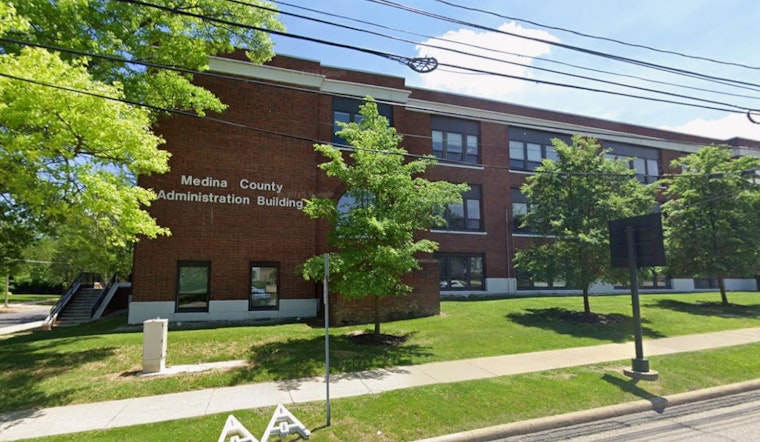
Medina County commissioners voted this week to jump into a nationwide opioid settlement worth $97.6 million, resolving claims against several regional pharmaceutical distributors and opening a small new funding stream for local treatment, prevention and recovery efforts.
What's in the remnant settlement
The deal, known as the Remnant Defendant Settlement Agreement, was filed as part of the federal multidistrict opioid litigation and creates a pooled settlement fund of $97,625,000 for an Opioid Remediation Fund. It covers six regional distributors and related entities and includes broad legal releases that block future claims tied to conduct that occurred before the settlement’s effective date. At least 95% of the Opioid Remediation Funds must be used for opioid remediation work such as treatment, prevention and recovery programs; see the National Opioid Settlement.
How Ohio's share is handled
In Ohio, long standing allocation rules set out in the OneOhio Memorandum of Understanding determine how settlement dollars are divided among local governments, a statewide foundation and the state attorney general’s office. Under OneOhio, the “Local Government Share” flows directly to local governments based on a fixed allocation plan that assigns each subdivision a percentage share. The memorandum also defines what qualifies as an approved purpose, and in Ohio, local governments generally must pass a resolution if they want to use funds to cover past expenditures; see the National Opioid Settlement.
Medina County's expected take
The Medina County Board of Commissioners signed off on a resolution authorizing the county to join the six defendant remnant settlement and gave the county prosecutor authority to complete participation paperwork by the June 4, 2026 deadline, according to Cleveland.com. Cleveland.com reports that Medina County’s share will be very small, about 0.00345% after attorney fees. Against the $97,625,000 total in the settlement agreement, that comes out to roughly $3,400, a modest contribution to the county’s broader opioid response. Details on the pooled payment and participation rules appear in the National Opioid Settlement.
What the money can buy
Both the national agreement and Ohio’s OneOhio structure aim to keep spending focused on evidence based, forward looking uses: expanding treatment capacity, funding prevention and education efforts, distributing naloxone, supporting long term recovery services, and backing other opioid abatement strategies. The OneOhio memorandum lists specific approved purposes and requires local oversight when funds are tapped for past expenditures, an extra guardrail meant to keep the money tied directly to opioid remediation. For the full menu of permitted uses and governance rules, see the National Opioid Settlement.
Local oversight and next steps
Medina County has already created an Opioid Settlement Program Funding Committee and passed resolutions spelling out how abatement dollars are reviewed and awarded, giving officials a ready made process for deciding how any remnant payment will be used. Those committee appointments and resolutions are part of the county record and outline how proposals are solicited and how grants are awarded to local service providers; see Medina County for prior opioid fund governance actions.
Medina County’s decision to join the settlement is one more entry in a long list of local governments that have accepted opioid settlement money, a group that includes thousands of cities and counties nationwide and nearly 200 jurisdictions in Ohio, according to Cleveland.com. Next up, officials say, the prosecutor will return the participation form, and the county funding committee will recommend specific programs for support once distributions are scheduled under the settlement’s allocation plan.





