

























































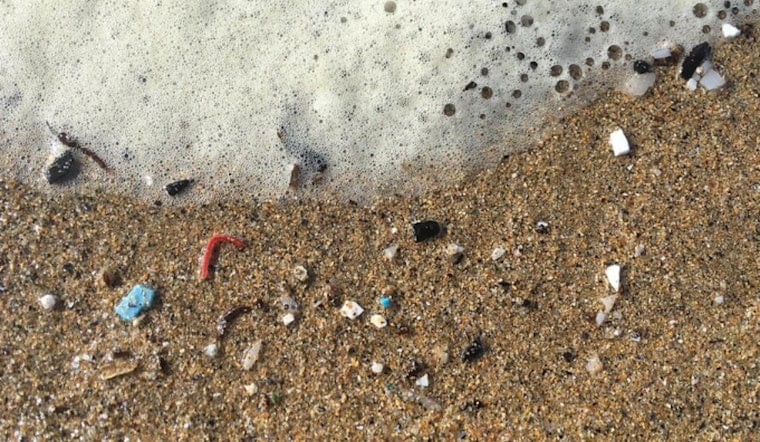
Those picture-perfect shots of Lake Michigan and the Chicago River are hiding something you cannot see. A fresh round of sampling across Illinois waterways has turned up tiny plastic particles in popular spots where people swim, fish and play, and in corridors that carry barges, tourists and everything in between. Fibers, fragments and near-microscopic pellets showed up even at locations that looked pristine on the surface, a reminder that plastic pollution can be all but invisible until scientists put the water under a microscope.
In a report released this week, Environment Illinois Research and Education Center said it detected microplastics at 31 testing locations around the state, with multiple samples pulled from Lake Michigan, according to the Chicago Sun-Times. The group warned that this nearly invisible layer of contamination threatens fish and wildlife and could pose "potential threats to human health." Other problem spots highlighted in the review include stretches of the Calumet, Des Plaines and Fox rivers, along with parts of the Illinois and Mississippi rivers.
Where the plastics are coming from
Researchers and advocates are not exactly stunned by where this is all coming from. They point to familiar culprits such as single-use packaging, fibers that slough off synthetic clothing in the wash, tiny particles from tire wear, and spills or runoff of the plastic pellets used before manufacturing. Reporting on Great Lakes pollution has long noted that industrial pellets, combined with stormwater flushing debris from urban and industrial areas, routinely feed microplastics into nearshore waters. Because of that steady pipeline, scientists argue that cutting off plastics at the source, instead of trying to chase them down once they are in the lake or river, is essential. The Fulcrum lays out that mix of sources and the case for stronger controls on the front end.
Health questions and what the science says
What all of this means for people who drink, fish, or swim in these waters is still being sorted out. The American Cancer Society notes that microplastics have been detected in human tissues and that animal studies show harmful effects, but the group says the evidence is not yet strong enough to link microplastics to cancer in humans. The American Cancer Society says more research is needed before scientists can pin down long-term risks.
Independent research has been flagging microplastics in the Great Lakes for years. A detailed survey of Lake Michigan surface waters found widespread pelagic plastic pollution in earlier sampling, showing that these particles are not new arrivals and that aquatic organisms can ingest them. Work cataloged by NOAA and follow-up studies have reported fibers and fragments across both nearshore and offshore sites.
Policy and politics
The Environment Illinois report stresses that there is "no silver bullet" for this problem and calls for a slate of policy changes at the local, state and federal levels, according to coverage of the release. The Chicago Sun-Times reports that lawmakers in Springfield are weighing legislation that would force plastics manufacturers to tighten control of stormwater runoff that can carry pellets and fragments into rivers and lakes.
In Washington, Illinois Sen. Dick Durbin has put forward the Plastic Pellet Free Waters Act, introduced this spring, to prohibit discharges of pre-production plastic pellets from facilities and transport operations. His office says the bill would require the Environmental Protection Agency to block pellet discharges and notes that environmental groups have lined up behind the proposal. A statement from Sen. Dick Durbin casts these pellets as a preventable source of microplastic pollution in the Great Lakes.
What Chicagoans should know
For now, experts say drinking water customers are not gulping down raw river water. Treatment plants strip out most larger particles before water reaches taps, although smaller microplastics can slip through and existing monitoring rules are not consistent from place to place. As reporting from The Fulcrum explains, filtration systems capture a high share of bigger particles but do not fully remove the tiniest fragments, which is why advocates keep pushing for tighter controls on plastic at the source along with more coordinated tracking.
In practical terms, the new Illinois sampling gives city and state officials one more set of numbers as they argue over runoff rules, industrial practices and broader plastic-reduction strategies. Expect those fresh figures from Environment Illinois to surface in committee hearings, press conferences and advocacy campaigns in the coming weeks, as regulators, lawmakers and environmental groups jockey over how far to go to keep plastic out of the region's lakes and rivers.





.jpg)