

























































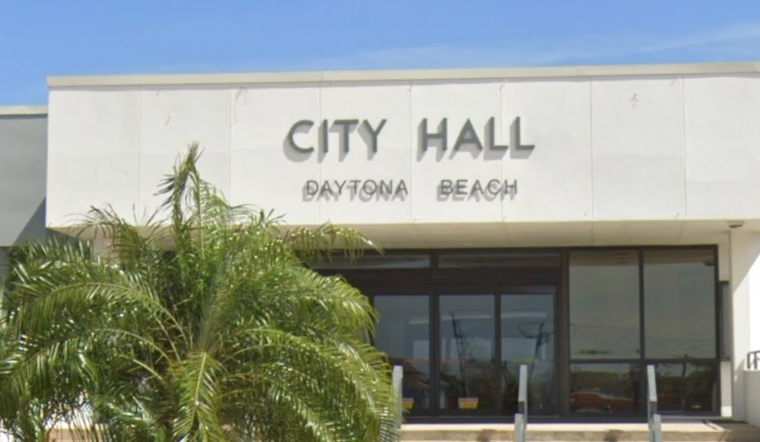
A long-awaited federal study into the chronic flooding that swamps Daytona Beach’s Midtown has landed with a gut punch: the big structural fixes neighbors have hoped for would cost more than the city can realistically afford, leaving a short list of smaller projects and potential buyouts as hurricane season closes in. Longtime homeowners say their low-lying streets turn into a bathtub during heavy rain, and many are now bracing for another anxious summer with no major relief in sight.
The U.S. Army Corps of Engineers’ two-year analysis found that while major engineering solutions are technically possible, their price tags are far beyond the city’s reach. Instead, the report suggests trying to secure federal money to buy out roughly 40 of the most flood-prone houses, a move that would still leave hundreds of other properties exposed, according to ClickOrlando. That conclusion has stirred fresh worry among residents who remember the waterlines from past storms all too well.
Daytona Beach City Manager Deric C. Feacher, in a written response to ClickOrlando, called the study “a critical step toward fully understanding the complex causes of flooding” and said the city is working with Volusia County on a citywide stormwater management plan that will put smaller, targeted projects at the front of the line. He stressed that no system can eliminate catastrophic flooding, but said better maintenance, strategic upgrades, and smarter operations could at least cut down on the routine, street-level flooding that wears residents down. City officials also say they will keep chasing federal grants and leaning on regional coordination to stretch limited dollars.
Study Area And Technical Scope
According to the Corps’ feasibility materials, the study area is framed by Nova Canal, Orange Avenue, Ridgewood Avenue, and Beville Road, with Midtown essentially described as a two-square-mile bowl that traps runoff and drains slowly into the Halifax River. The Jacksonville District notes the study team includes engineers, hydrologists, economists, and environmental specialists, and that the neighborhood holds roughly 8,000 residents and about 2,800 structures. The US Army Corps of Engineers also flags tidal backflow and a high water table as major obstacles to many conventional drainage fixes that might work elsewhere.
Why Big Fixes Did Not Make Fiscal Sense
Engineers evaluated a wide menu of structural options, including underground detention, surface reservoirs, levees, floodwalls, new canals, and berm systems. According to local coverage, many of those ideas fell apart on closer inspection, either because the shallow water table and tidal influences would undercut their performance or because the overall costs were simply too high for local government to carry. Reporting from WESH notes that large reservoir concepts were dropped and underground storage was deemed ineffective given local conditions, leaving a narrow set of non-structural options in play. That process is what ultimately pushed the Corps toward recommending a limited buyout program instead of a sweeping construction plan.
What The City Can And Cannot Do Next
City documents show the federal study was done in partnership with Daytona Beach, and that local leaders are now focused on what they can actually move on in the near term. The City of Daytona Beach lists smaller-scale steps such as enhanced maintenance, lining failing pipes, upgrading pumps, and tackling targeted drainage projects as ways to chip away at localized flooding during less intense storms. The city’s comprehensive report also cites the Corps' feasibility work alongside other recent stormwater investments and highlights efforts to improve its Community Rating System score, which could help lower flood insurance costs for residents over time. Longer-term, officials say, any bigger moves will depend on winning grants and staying in lockstep with Volusia County and other regional partners.
Even where buyouts look like the cheapest option on paper, experience shows they rarely provide a quick or complete fix. Federal and academic research points out that acquisition programs often take years to execute, reach only a slice of the homes at risk, and raise tough questions about displacement, neighborhood stability, and housing equity. The Corps’ recommendation to mix limited buyouts with targeted maintenance fits a wider national pattern in which managed retreat is treated as one more imperfect tool rather than a silver bullet. Work published through Springer suggests communities weigh not just engineering costs but the social and human impacts that come with asking residents to move.




