

























































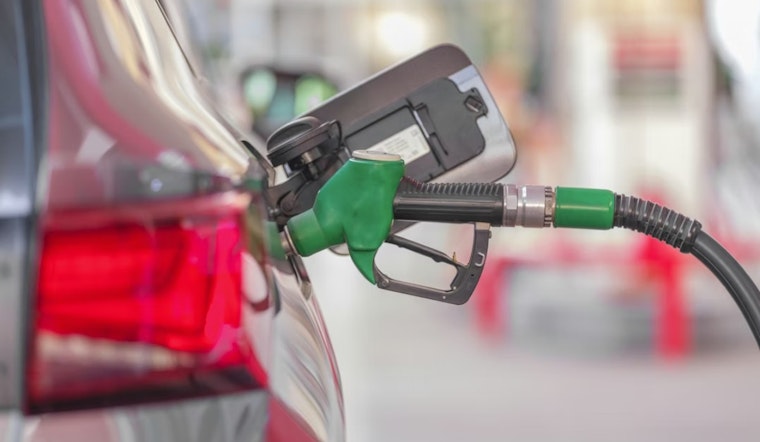
Colorado drivers are getting walloped at the gas pump, with prices running hotter than much of the country. The sting at the station is not scaring people off the roads, though, as spring getaways and weekend trips keep highways humming from Denver to the high country.
According to AAA Colorado, the statewide average for regular unleaded hit $4.628 per gallon on May 14, about 9 cents higher than the national average of $4.534 reported the same day. Metro data show Denver and the mountain resort corridors doing plenty of work to pull that state average up.
Federal figures tell a similar story. The Energy Information Administration reported Colorado's weekly retail average at $4.497 for the week ending May 4, while the national all grades average landed at $4.452. The agency posted its latest state numbers on May 12.
Why Colorado Is Paying More
Analysts point to a familiar villain: global supply shocks. Tanker traffic snarls in the Strait of Hormuz, along with broader disruptions tied to the U.S.–Iran conflict, have pushed crude and wholesale gasoline prices higher, which in turn lifts pump prices in inland markets like Colorado. Rising insurance and shipping premiums, paired with tighter refining margins, are adding even more upward pressure on what drivers pay. Al Jazeera has reported on the supply disruptions and the price volatility rippling through energy markets.
Policy Moves and Local Cost Drivers
Washington is trying to take a little steam out of the market. The EPA has issued a temporary summertime waiver that allows broader sales of E15, a gasoline blend with 15% ethanol, in a bid to boost available fuel supply, a move covered by AP News. That step could soften short-term price spikes, but it does not erase homegrown cost pressures.
Colorado's pump prices also reflect structural realities. The state's transportation budget documents show a fixed motor fuel excise tax of $0.22 per gallon, a charge that sticks around even when crude oil prices finally back off, according to the Colorado Department of Transportation.
How Drivers Can Cut the Pain
Drivers looking to fight back have a few tools. Price tracking apps and websites often reveal surprisingly big gaps between stations in the same neighborhood, and rewards programs or weekday fill-ups can shave a few cents per gallon. For vehicles that are approved to run higher ethanol blends, E15 has frequently been the cheaper option at the pump this spring, while consumer groups still push the basics like carpooling and combining errands to trim overall fuel use. AAA Colorado keeps an updated dashboard of local averages and money-saving tips.
On the ground, a CBS News Colorado video shows many locals shrugging at higher prices as they top off the tank and head out for short trips and weekend plans anyway. Analysts say relief could arrive if tanker traffic and crude markets calm down, but for now, Denver commuters and mountain tourists alike are paying extra for every mile they drive.





