

























































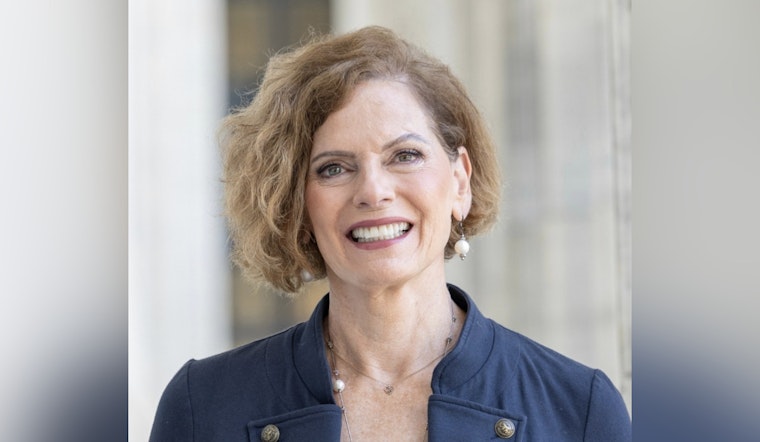
Second homes worth millions could soon come with a hefty extra bill in parts of upstate New York, if lawmakers sign off on a new pied-à-terre surcharge that towns, villages and cities outside New York City could choose to adopt. State Sen. Patricia Fahy has filed S10197, a bill that would let local governments tax high-end second homes and investor-owned houses and send half the money into the state’s Aid and Incentives for Municipalities program to bolster strained local budgets.
What The Bill Would Let Localities Do
S10197, introduced this spring, would authorize municipalities outside the five boroughs to adopt a local tax on “covered properties,” defined as one- to three-family residential units that are not the owner’s primary residence, are not leased as someone else’s primary home, and are not occupied by an owner’s family member. Local governments could set a minimum market-value threshold anywhere from $2.5 million up to $5 million and charge an annual surcharge between 0.5% and 4%, including the option to use graduated brackets, according to the New York State Senate.
The proposal also spells out the bureaucracy that would come with it: annual filings, certifications of primary residence, and the ability for the state to provide enforcement help to localities that decide to opt in, per the New York State Senate.
Why Fahy Says It’s Needed
Fahy argues the surcharge would give smaller communities a way to push back on deep-pocketed investors who scoop up housing stock, drive up prices and then leave properties largely dark for much of the year. “Allowing municipalities outside NYC to ‘opt-in’ to a local pied-à-terre tax ... will provide immediate, flexible relief to cities, towns, and villages across the rest of the state,” she said in a press release from the New York State Senate.
She also stressed in an interview with Spectrum News that the bill targets multimillion-dollar investor properties, not modest seasonal camps or family cabins.
From City Hall To Small-Town Main Streets
The upstate push is unfolding alongside a parallel battle in New York City. Gov. Kathy Hochul and New York City Mayor Zohran Mamdani have floated a pied-à-terre surcharge on non-primary residences valued at $5 million or more as part of a broader plan to shore up the city budget, according to AP News.
A City Comptroller analysis suggested a New York City-only tax could plausibly raise around $500 million a year, but also warned that the fine print matters. How properties are valued, what gets exempted and how owners respond could pull that estimate down to roughly $340 million to $380 million, the New York City Comptroller found.
Local Reaction And Coverage
Reaction upstate has been mixed. Some local officials and housing advocates see the pied-à-terre option as a way to stabilize services and protect the property tax base without hitting year-round residents quite as hard. Others, particularly in the real-estate world, warn that a new surcharge on high-end properties could spook investors or shift development elsewhere.
The Times Union has framed the bill as an attempt to help cash-strapped municipalities, while Spectrum News highlighted both Fahy’s pitch and skeptics such as the Empire Center, which has raised alarms about how the tax could ripple through local housing markets.
How It Would Be Implemented And The Legislative Path
Under S10197, the state would not impose a new levy on its own. Instead, the bill would simply set up the framework and leave the choice to local governments. The measure was introduced in the Senate and is slated to go to the Committee on Local Government for review, according to the New York State Senate.
Any town, village or city that wants the surcharge would need to pass a local law to opt in. The Department of Taxation and Finance could then be tapped to help determine which homes really count as primary residences for enforcement purposes, per the New York State Senate.
What To Watch
Plenty of technical questions are still hanging over the debate. Among them: how to calculate five-year average market values for condos and co-ops, how to handle exemptions for rentals, and how easily wealthy owners might rejigger ownership structures to duck the surcharge. These uncertainties are material enough to move revenue projections, the New York City Comptroller has cautioned.
Real-estate groups are already pushing back against city-level versions of the tax, warning that it could dampen investment and development, as reported by NY1. Lawmakers in Albany will now have to decide whether giving upstate communities this new tool is worth the political and economic crosswinds that are sure to follow.





