

























































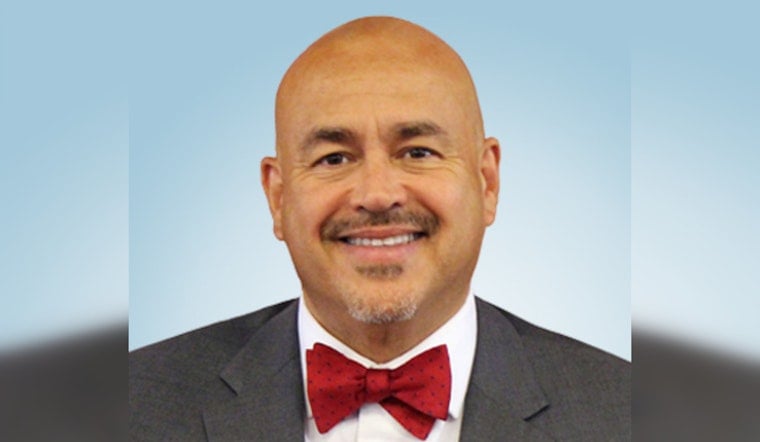
City leaders are moving to shake up how parklets and sidewalk cafés get the green light, with Common Council President José G. Pérez backing a plan to fold parklet approvals into Milwaukee’s broader licensing system. City officials say the goal is to standardize rules across neighborhoods and give nearby residents clearer notice and a formal way to cheer or object.
According to Public Works Committee minutes from the May 20 meeting, the proposal from Ald. Pérez would treat parklets “as an extension of premises” and send approvals through the city’s licensing process instead of handling some of them as temporary street encroachments. The record notes that Milwaukee currently has roughly 82 sidewalk cafés and about 22 parklets or Active Streets installations combined, and staff laid out the different permit subcategories that currently cover public-way dining. Committee members ultimately voted to place the communication on file while staff and aldermen sort through next steps.
The idea builds on the city’s Active Streets for Business program, which the Department of Public Works set up during the pandemic so businesses could more quickly use the right-of-way for outdoor seating. The department publishes detailed application instructions that call for dimensioned site plans, ADA-compliant seating layouts, and hardware like rubber wheel stops and hazard markers. As outlined by the City of Milwaukee DPW, applicants also need to file a Temporary Change of Plan form and spell out how pedestrian access will be maintained.
Local media zeroed in on the proposal quickly. In coverage from Urban Milwaukee, reporter Jeramey Jannene notes that Council President Pérez is at the front of the effort to revamp how parklets and sidewalk dining get approved. Urban Milwaukee frames the move as an attempt to balance neighborhood concerns with the growing popularity of curbside seating in recent years, and points out that approvals have not always been consistent from block to block or business to business.
How licensing would change approvals
Shifting parklet approvals to the License Division would pull many decisions out of one-off right-of-way actions and into an existing system that already includes required notifications, fee schedules, and the possibility of public hearings. As summarized in the Public Works Committee minutes, supporters argue that a licensing model gives neighbors a clearer path to speak in favor or against individual applications and lets the city attach uniform conditions to approvals. That setup could also bring parklets in line with license-based rules on insurance, upkeep, and the process for pulling a permit if conditions are not met.
What it means for businesses and neighbors
For business owners, routing parklets through licensing could translate to clearer, longer-term permission to operate outdoor seating, but it may also mean more steps, including formal applications, schematic site plans, and potential fees. The city’s own application instructions call for dimensioned plans that map out seating layouts, ADA accommodations, and wheel stops, and applicants must submit a Temporary Change of Plan form, according to the City of Milwaukee DPW. Neighborhood groups may welcome the opportunity for structured input, while some restaurants worry additional rules could slow their seasonal outdoor rollouts.
What’s next
The Public Works Committee’s move to place the communication on file keeps the concept in the council’s work queue while staff develop details and any draft ordinance language. If the licensing approach advances, city attorneys and licensing staff are expected to draw up specific wording and a timeline for hearings or full council votes. Officials did not set a firm deadline at the May meeting.
However it ultimately looks, the proposal would mark a new chapter in Milwaukee’s curbside dining boom: more predictable standards for who gets to put tables in the right-of-way, paired with a more formal approval process that could affect how quickly restaurants can flip the switch on outdoor seating each year. With Ald. Pérez sponsoring the change, both businesses and nearby residents have reason to watch the next round of council action closely.





