

























































Milwaukee’s Basement Flood Fight: Leaders Launch High-Stakes Task Force
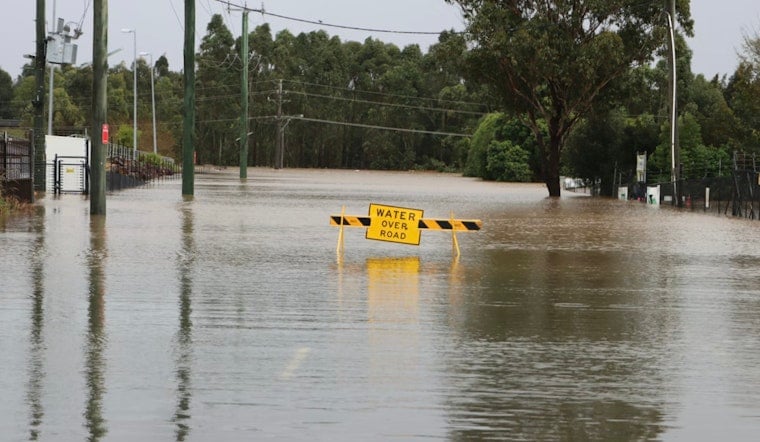
After another season of soaked basements and swamped parks, city, county and regional sewer officials sat down together in Milwaukee on Thursday for the first meeting of a new Flood Mitigation Task Force. The group is charged with sorting out both quick fixes and long‑term solutions to basement backups, flooded streets and park damage.
The panel comes on the heels of intense spring storms and last year’s catastrophic August rainfall, and it is expected to map out who does what and which sites get priority across the region.
In a press release via Urban Milwaukee, County Executive David Crowley called the task force “an expansion of our existing regional partnerships” aimed at protecting communities. Mayor Cavalier Johnson urged local agencies to work together as flooding becomes more frequent. Milwaukee Metropolitan Sewerage District (MMSD) Executive Director Kevin Shafer said “the Flood Mitigation Task Force is an excellent opportunity for us all to come together,” while warning that many of the real fixes will take years to build. The opening session focused heavily on clarifying roles and sketching out near‑term actions.
How MMSD Is Accelerating Work
MMSD says it has moved $96 million worth of flood‑management projects up in its 2026–2035 capital plan, with four basin projects now at the front of the line. Together, those basins are expected to add roughly 220 million gallons of stormwater storage.
According to MMSD, earlier projects have already protected about 2,548 homes and businesses, but roughly 1,405 buildings are still in identified floodplain areas. Officials say the extra storage should help keep river levels lower during big storms so sewers can actually drain instead of backing up into neighborhoods.
Priority Projects And Price Tags
Leaders have put a flashing red circle around the Kinnickinnic River corridor and several South Side parks, spots that have been hit again and again by high water and where hundreds of homes remain at risk.
Near‑term basin projects highlighted by local outlets include N. 35th & W. Capitol, Jackson Park, Wilson Park and a site near I‑43, with construction timetables staggered over the coming decade. Together, those projects sit inside a broader slate of flood‑mitigation work that carries a remaining price tag in the high hundreds of millions of dollars, reporting by WUWM says.
Next Steps And Public Input
Officials say the task force will keep meeting in the weeks ahead and is aiming to deliver recommendations later this year that will guide both short‑term fixes and larger capital projects, according to Urban Milwaukee.
Any new basin construction is expected to require coordination among multiple jurisdictions, public input and tough funding decisions. MMSD leaders have said that even with accelerated schedules, projects will still depend on community buy‑in. Residents who are still repairing homes from last year’s storms are watching the task force’s work closely, hoping talk at City Hall turns into shovels in the ground.
Why This Matters To Neighbors
Record rainfall in August 2025 caused more than $200 million in private property damage and left many homeowners knee‑deep in cleanup, a painful reminder that, as officials put it, mitigation work is now urgent, per MMSD.
Experts told local reporters that climate change and increased impervious surfaces are sending more runoff into local waterways, and that green infrastructure needs to stand alongside larger basin projects in a two‑pronged strategy, according to WPR. In neighborhoods that have flooded again and again, residents have expressed cautious optimism that the new task force might finally speed up the projects meant to keep basements, streets and parks out of the water.





