

























































Milwaukee County is staring down a grim shift in who is dying by suicide and how. New data show rising deaths among Black residents, men and older adults, with firearms now involved in most suicides across the county. Community leaders say that reality has pushed prevention work out of conference rooms and into living rooms, parks and neighborhood blocks.
In 2024, Milwaukee County recorded 101 suicides. Of those, 59 were from gunshot wounds. Local health officials say those numbers are a clear signal that outreach and safe firearm storage efforts need to scale up fast.
What the numbers show
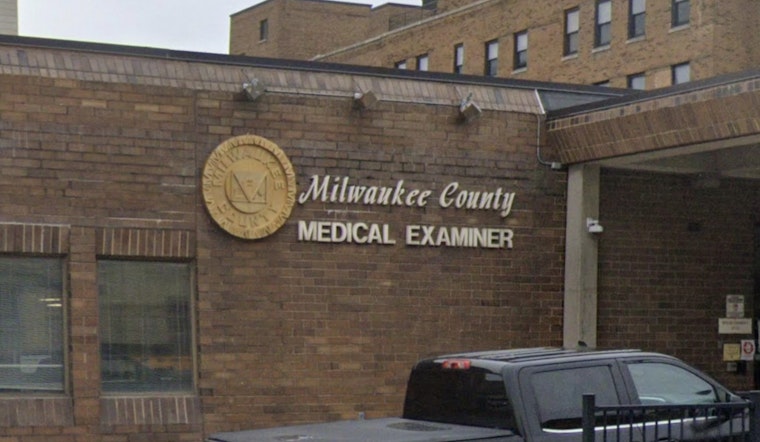
County death records show gunshot suicides rising from 43 of 115 deaths (37.4%) in 2019 to 59 of 101 deaths (58%) in 2024. That is roughly a 21 percentage point jump when comparing pre‑pandemic data to last year, according to the Milwaukee County Medical Examiner 2024 annual report and the office's 2019 annual report from the Milwaukee County Medical Examiner.
The 2024 report also shows a sharp change in who is represented in those deaths. Black residents made up about 21% of suicide deaths last year, up from roughly 12% in 2019. Men continued to account for the majority of people who died by suicide.
Voices from the community
For those doing prevention work, the numbers are not abstract. They are neighbors, relatives and, in some cases, reflections of their own past struggles.
"It's not about statistics, it's much about human beings' lives," Sylvester Jackson told TMJ4, speaking about his own suicide attempt and later recovery work.
Dr. Ben Weston, Milwaukee County's chief health policy advisor, told TMJ4 he was struck by how sharply firearm suicides have risen. He also warned that "loneliness as people get older, can become depression and anxiety," a combination that can quietly escalate risk.
County response and funding
County leaders are already trying to match resources to the data. In March, Milwaukee County announced new state grant awards that include roughly $238,729 for suicide prevention and firearm storage work, part of about $1.8 million in broader violence prevention funding, as reported by CBS58.
The county has also installed suicide prevention signs in parks and along the lakefront so that crisis hotlines and support information are in front of people during some of their most vulnerable moments.
Help and prevention
Officials stress that immediate help is available for anyone in crisis. People can call or text 988 to reach the Suicide & Crisis Lifeline or use local options such as the county mobile crisis line.
The Wisconsin Department of Health Services offers statewide resources on self‑harm, crisis supports and prevention strategies, including guidance on using 988 and building community prevention plans (Wisconsin DHS).
Local outreach groups point to two concrete steps that can lower risk right away: safe firearm storage programs and neighborhood based engagement that meets people where they are.
What's next
Leaders say the latest report will shape where money, staff time and neighborhood outreach go next.
"Those who are suffering know that people are paying attention," Greg Wesley told TMJ4, as philanthropy and county officials weigh targeted grants and community level programs.
County officials are expected to bring the findings to upcoming health board and neighborhood meetings, where they will hash out how to expand on the ground outreach and safe storage work in the months ahead.





