

























































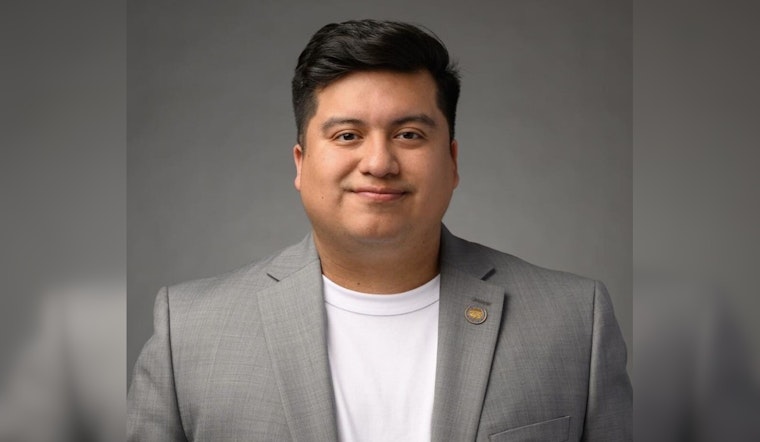
Minneapolis is taking a swing at secretive policing. Council Members Jason Chavez, Aurin Chowdhury, and Aisha Chughtai have introduced an ordinance that would cut off new or updated joint powers agreements with any agency whose officers hide their identities while working in the city. Supporters say the move is about basic transparency and public trust, with narrow carve-outs for protective gear that does not cover an officer's face. The proposal is set for a committee hearing next Wednesday at City Hall.
What the ordinance would do
The proposal is filed as ordinance 2026-00268 and has been routed to the Public Health, Safety & Equity Committee, according to the City of Minneapolis Legislative Information Management System. On the published agenda, it appears under the label “law enforcement concealment of identity,” with the next Public Health, Safety & Equity meeting scheduled for next Wednesday. The agenda notes that committee meetings take place in Room 380 at City Hall and are streamed online.
In a Facebook post, Council Member Jason Chavez explains that the ordinance would block Minneapolis from entering or amending any law-enforcement joint powers agreement unless the partner agency bans its officers from concealing their identity while acting in the city. Chavez writes that the requirement would apply “regardless of dollar amount” and that exceptions would cover “wearing a shield or eye protection that does not conceal the officer's face or eyes” when needed for safety. He argues that masked officers “erode the trust necessary for effective law enforcement” and make “accountability nearly impossible when misconduct occurs.”
Legal questions
The plan also steps into tricky legal territory around who controls policing and intergovernmental agreements. As reported by the Star Tribune, city attorneys have warned that some local measures could “impermissibly intrude” on the mayor’s authority over police operations. That warning suggests any ordinance tied to police practices or joint powers deals may invite close legal review or a potential challenge.
Where this idea is spreading
Minneapolis is not alone in trying to put a nameplate on every badge. Around the country, local officials and advocates are wrestling with how to regulate federal agents and out-of-town officers when they roll into town. In Denver, lawmakers advanced a proposal to bar opaque face coverings for officers during detentions, according to the Denver Gazette. In Milwaukee, the council has pushed forward a move to restrict officers from using facial coverings meant to hide who they are, as detailed in this Milwaukee power play to unmask cops. Together, those efforts underscore how city rules can collide with state or federal practices.
How to follow or weigh in
The Public Health, Safety & Equity Committee is set to take up the ordinance next Wednesday at 1:30 p.m. in Room 380 at City Hall. The committee agenda notes that the meeting will be available with closed captions on Comcast and on the city’s YouTube channel. Residents can submit written comments through the city’s online meeting portal, according to the agenda. If the ordinance clears the committee, it would head back to the full council for more debate and a possible vote. Meeting details and participation instructions are available on the City of Minneapolis committee page.
Who's behind the proposal
The council file lists Jason Chavez, Aurin Chowdhury, and Aisha Chughtai as sponsors. The three are part of the current council leadership team, according to the City Council membership listing. The ordinance will move through the standard committee process before any final vote. Along the way, both the full council and the mayor retain the power to amend or halt the measure.


