

























































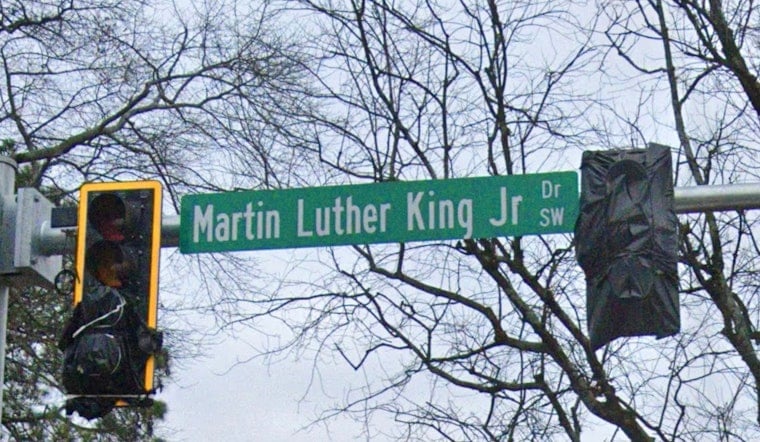
A three-mile overhaul of Martin Luther King Jr. Drive SW is quietly rewriting the safety story on one of Atlanta’s most famous streets. A new city transportation study finds crashes are down sharply and, by the agency’s count, fatalities along the redesigned corridor have dropped to zero. Finished in 2022, the project reshaped how people move between Northside Drive and I-20 with new space for walking, biking and transit. Neighbors and officials say the street feels calmer and safer, even if some drivers have had to rethink how they get into their homes or the adjacent park.
Safety gains, by the numbers
The Atlanta Department of Transportation’s analysis shows a 23% drop in overall roadway crashes, a 56% decline in pedestrian crashes and about an 8% decrease in drive time on the revamped stretch. According to the agency, there were four fatalities in the six months before construction began and zero in the four years after work wrapped up. Mobility director John Saxton called the project “a huge success” and told reporters it now takes roughly 30 seconds less to travel from I-20 to Northside Drive. Those findings and comments were reported by Atlanta News First.
What the city changed on MLK
The redesign traded a vehicle-first layout for one that tries to slow things down and sort out conflicts. The city added a center turn lane, protected bicycle lanes, new medians and upgraded crosswalks and signage that shorten crossing distances and tame turning movements.
Project pages from the Atlanta Department of Transportation list the MLK resurfacing and safety work as part of the agency’s Safe Streets portfolio, and note that resurfacing on the corridor was completed in June 2025. Local coverage at the time also tracked lane shifts and temporary closures during the resurfacing period, per lane shifts and temporary closures.
Neighbors weigh trade-offs
The new setup has not won over everyone. Some residents say they now walk to bus stops and the park with a lot less worry, while others have complained about fresh restrictions on left turns into homes or park entrances and worry that having fewer driving lanes could slow their trips.
Resident Bijoux Romero told reporters she feels safer walking the corridor since the rebuild, even as neighbors around her have raised concerns about access. Those on-the-ground accounts were gathered by Atlanta News First.
What’s next for other corridors
City project listings show planning materials for a Ralph David Abernathy Boulevard Phase II package and other Safe Streets efforts, a sign that ATLDOT plans to use the MLK corridor as a template. The department says similar concepts, including lane reallocation, protected bike space and stronger crosswalks, are being scoped for additional corridors as planners try to balance clear safety gains with local access concerns, per the Atlanta Department of Transportation.
For now, the rebuilt MLK stretch stands as a test case for those trade-offs: a shift in turning or parking patterns for many drivers in exchange for fewer crashes, fewer pedestrian injuries and, city officials hope, lives saved. Staff say they will keep tracking crash data as the next round of projects moves forward.





