

























































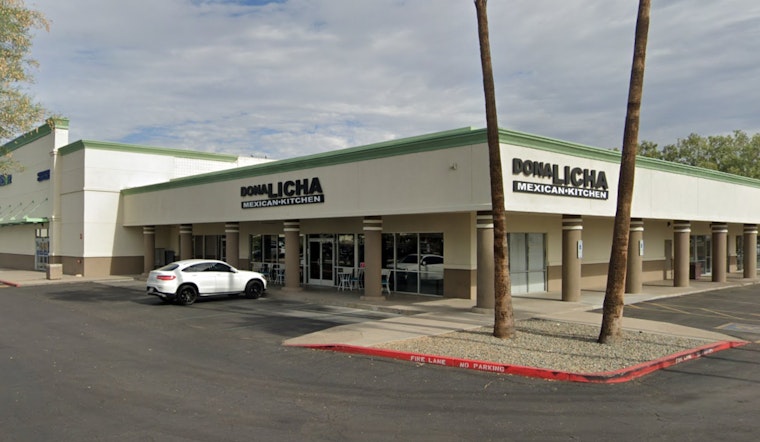
Black mold in an ice machine and Bolognese sauce sitting at unsafe temperatures landed several Phoenix-area restaurants in this week’s round of health inspections, according to county records that fed into a fresh “Dirty Dining” rundown.
As reported by Arizona's Family, Maricopa County inspectors documented the moldy ice and temperature control issues during separate visits, along with other priority violations that can increase the risk of foodborne illness. The station’s Dirty Dining segment pulls its material straight from the county’s most recent inspection reports.
Inspection Records Are Public
Full inspection reports are posted on Maricopa County’s online Restaurant Ratings portal, where anyone can read inspector notes and see whether violations were corrected, according to Maricopa County Environmental Services. The county’s weekly report is the official log of what inspectors observed and is the primary source used for local Dirty Dining-style roundups.
Why Temperature And Mold Matter
The FDA Food Code sets clear temperature rules for a reason: hot foods should be kept at 135°F or above and cold foods at 41°F or below, since time and temperature control are key to slowing bacterial growth. When ice inside a machine turns visibly moldy or slimy, it can contaminate drinks and ready-to-eat items.
Health inspection guides treat “accumulation of mold or mildew on any interior surface of the ice machine” as a major violation that must be corrected, according to Los Angeles County Public Health.
Follow-up And Enforcement
Local coverage notes that inspectors often allow on-the-spot fixes or order unsafe food to be thrown out, and that repeated priority violations can trigger reinspection or permit action, according to nailed over handwashing flubs. That reporting also emphasizes that Dirty Dining recaps are built directly from county logs, which remain the public’s best way to track follow-up visits and any enforcement steps.
How To Check Before You Dine
Concerned about a spot on your must-try list? You can search Maricopa County’s Restaurant Ratings tool to read the latest inspection notes, see what was cited and find out whether issues were corrected on site. The county and local outlets say those online inspection records are the quickest way to see how a restaurant scored and whether any problems have already been addressed.





