

























































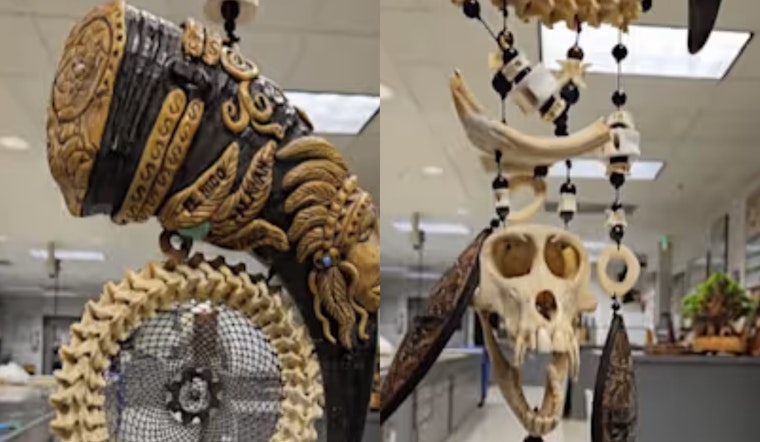
Customs officers at Detroit Metro Airport say they pulled a dreamcatcher threaded with a monkey skull and python bones out of a traveler’s bag during routine baggage inspections, bringing a hard stop to what might have been the strangest souvenir of the day. Officials reported that the seizure was logged at DTW's international processing area in Romulus and later shared by the Detroit field office of U.S. Customs and Border Protection. Skulls and reptile bones sit in a tightly regulated category because they can come from protected species and can carry wildlife and public health risks.
CBP posted the find
As reported by ClickOnDetroit, the Detroit CBP field office shared a photo of the dreamcatcher with the all-caps caption "NOT A DREAM," stressing that the skull and bones are protected parts that require permits, whether the animal is alive or dead. The post, attributed to CBP Director of Field Operations Marty C. Raybon, circulated on social platforms early Monday and offered a peek at the kind of thing inspectors say they routinely pull from luggage at DTW. Airport spokespeople did not immediately release more information about where the item came from or the traveler who brought it in.
Why those parts are restricted
Customs guidance explains that "certain fish and wildlife, and products made from them, are subject to import and export restrictions, prohibitions, permits or certificates," a list that includes bones and skulls, according to CBP. The agency directs travelers to the U.S. Fish and Wildlife Service, the Centers for Disease Control and Prevention, and the USDA's APHIS for the fine print on pets, animal parts, and disease concerns. Those layers of rules are meant to protect endangered species, U.S. agriculture, and public health from invasive pests, pathogens, and the occasional ill-advised trophy.
Not the first odd find at DTW
Offbeat baggage is hardly a novelty at Detroit Metro. FOX2 Detroit has covered previous cases where primate skulls turned up in passengers' luggage, and the Associated Press reported on a 2023 seizure of a dolphin skull at DTW. Those earlier finds underline how routine X-ray screenings and agricultural inspections can uncover materials that never show up on a traveler’s written declaration. Customs officials say that stepping in at this stage helps head off ecological and public health threats before they get past the baggage carousel.
How seized wildlife is handled
According to a previous CBP release about the dolphin skull case at DTW, confiscated wildlife is often turned over to the U.S. Fish and Wildlife Service for investigation or other disposition. In that 2023 incident, CBP reported that the skull was handed to USFWS wildlife inspectors so specialists could decide whether it was admissible and what should happen next. The handoff is meant to keep regulated specimens in the hands of conservation and public health experts, who apply the relevant protocols and protections.
Legal implications
Bringing protected animal parts into the United States without the right permits can trigger civil fines and, in some situations, criminal charges under laws such as the Lacey Act and the Endangered Species Act, according to federal case records. The Department of Justice has pursued trafficking and export prosecutions when evidence supported those counts, including recent Lacey Act enforcement actions. Consequences can range from forfeiture of the seized items and monetary penalties to prison time for knowing violations.
Travelers, take note
For anyone tempted to tuck animal parts into a suitcase, the message from authorities is simple: declare everything and check the rules first. ClickOnDetroit notes that CBP instructs travelers to consult USFWS, CDC, and APHIS before trying to import wildlife or wildlife-derived products. Being upfront at the customs desk and confirming permit requirements ahead of time can save travelers from losing their souvenirs and facing possible penalties on arrival.




