

























































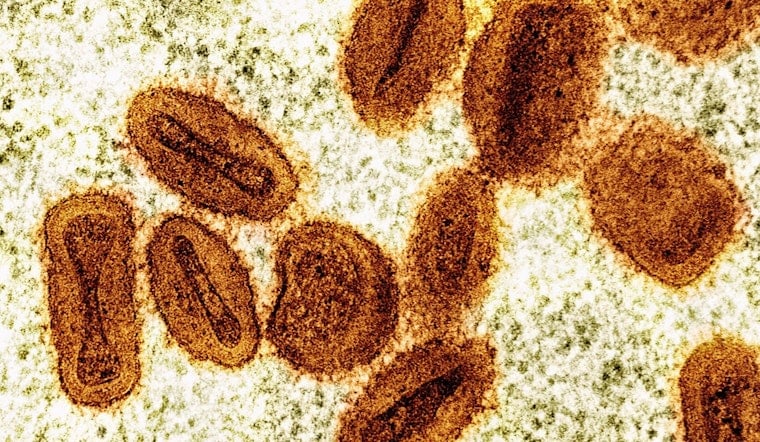
A small cluster of mpox cases has popped up in Wisconsin, with infections reported in both the northern and southeastern parts of the state. State health officials say the overall risk to the general public remains low, but they are asking people at higher risk to stay alert for symptoms and talk with a health care provider about vaccination, according to the Wisconsin Department of Health Services.
As of May 26, there have been five confirmed mpox cases in Wisconsin this year, and state officials are urging residents to take steps to prevent additional spread, FOX6 Milwaukee reported. Nationwide, mpox is still circulating at low levels, but recent surveillance has picked up an increase in infections, according to the Centers for Disease Control and Prevention, which updates U.S. case data monthly and provides guidance for clinicians and vaccine providers.
How mpox spreads and what to watch for
Mpox typically spreads through sustained skin-to-skin contact, contact with items contaminated by an infected person's sores or fluids, and prolonged close face-to-face interactions. Typical signs include a new, unexplained rash that develops into firm, fluid-filled blisters. Fever, chills, muscle aches, and swollen lymph nodes may show up before or along with the rash, according to the Wisconsin Department of Health Services.
Who should consider vaccination
Health care providers may recommend the JYNNEOS vaccine for people who had close contact with a confirmed case, health care workers with possible exposure, and people, including gay, bisexual, and other men who have sex with men, who have had multiple recent sex partners. Travelers who had sexual exposure in another area may also be eligible. The latest eligibility details and clinical recommendations are outlined in vaccine guidance from the CDC.
Where to get tested and more information
If you think you were exposed or you develop a new rash, contact a health care provider and avoid close contact with others until you have been evaluated. Testing is done by swabbing lesions and must be ordered by a clinician. Local clinics and university health centers are keeping updated information about appointments and vaccines. For example, University Health Services at UW–Madison lists eligibility and scheduling details for mpox vaccination and testing.





