

























































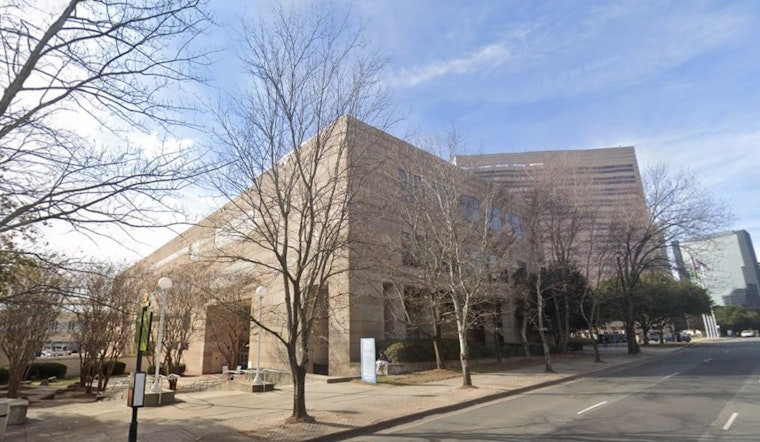
A 41-year-old man held at the Mecklenburg County Detention Center was found unresponsive in his cell in late April and later died at a hospital yesterday, prompting a State Bureau of Investigation probe into what happened behind the jail’s walls. The sheriff’s office says it is cooperating with state investigators while the medical examiner works to determine a cause of death.
According to WCNC, the man has been identified as Juan Utuy-Sarat, who was booked into the detention center on April 21 and was found unresponsive in his cell on April 25. Charlotte Fire and Medic crews transported him to a hospital, where he was pronounced dead on the morning of May 2. The sheriff’s office told reporters the cause of death remains unknown as of the latest update.
State investigators step in
Per the North Carolina State Bureau of Investigation's press page, the SBI routinely leads in-custody death investigations to provide an independent review of what occurred inside detention facilities. Investigators typically collect medical and custody records, interview staff and other residents, and coordinate with the county medical examiner as they determine whether criminal charges or policy changes are warranted. North Carolina State Bureau of Investigation
Local context and oversight concerns
The Mecklenburg County Detention Center has recorded multiple in-custody deaths in recent years and has drawn lawsuits and scrutiny over medical care and overall jail operations. Reporting from The Charlotte Observer has detailed family lawsuits and criticism of how the jail responded to medical complaints, a backdrop that often shapes public and legal reactions when someone dies behind bars.
What happens next
The SBI investigation will continue while the Office of the Chief Medical Examiner conducts an autopsy and toxicology testing. Those findings can take weeks or even months to come back, in part because of statewide lab and staffing backlogs. Recent reporting from WRAL Investigates has outlined how toxicology delays and staffing shortages at the state medical-examiner office have slowed cause-of-death determinations in other cases.





