

























































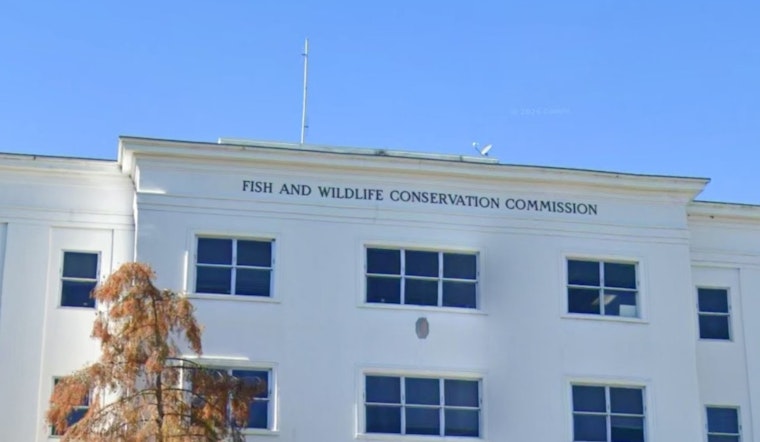
State wildlife managers want people on the water to help solve a worrying mystery: where have the cownose rays gone from some Florida estuaries? The Florida Fish and Wildlife Conservation Commission has scheduled two virtual workshops, on Thursday, May 21 and Tuesday, June 2, both from 6 to 8 p.m. ET, to collect recent sightings, on-the-water observations and public input. Officials say recordings will be posted for anyone who cannot log in live.
FWC Wants Your Observations
FWC staff say surveys and other research point to local drops in cownose ray numbers, and they are asking for firsthand reports to help decide whether new regulations are needed, according to the Florida Fish and Wildlife Conservation Commission. The virtual workshops will feature a presentation on cownose ray biology, current rules and possible management options, followed by public Q&A and a formal comment period. Staff say feedback from anglers, charter captains and divers will guide the recommendations they take to the full Commission.
What Regulators Are Weighing
Right now there are no species-specific regulations for cownose rays. Recreational anglers with a saltwater license may keep up to 100 pounds per day, and commercial harvesters do not face a cownose-specific cap, according to the Florida Administrative Register. FWC staff say they are looking at a range of possible tools, including size and possession limits, live-landing and live-well rules and certain gear restrictions. Any formal rule change would require more analysis and a Commission vote.
Why Scientists Are Concerned
Conservation experts point out that cownose rays travel in large schools and have life histories that leave them vulnerable to heavy harvest. The species is listed as Vulnerable on the IUCN Red List, according to FishBase, and their slow reproductive rates mean local depletions can linger. Large aggregated schools can be thinned quickly by targeted harvests or incidental catches, and past debates from Chesapeake Bay to the Gulf have shown how changing fisheries and markets can shift pressure onto rays. Managers say detailed, place-based reports from people on the water help them tell the difference between real declines and normal gaps caused by migration.
How To Weigh In
To comment or send in observations, FWC asks the public to email [email protected]. Meeting join links and recordings will be posted on the Florida Fish and Wildlife Conservation Commission website. Local reporting that first highlighted the meetings comes from the Tampa Free Press, which outlined how staff plan to use public input when shaping recommendations. Researchers say photos, video and precise locations are the most useful details to send in with any cownose ray sighting.





