

























































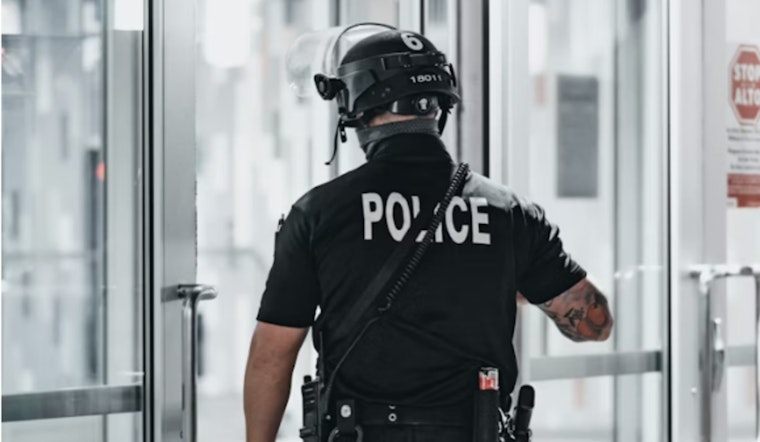
On Thursday, Nashville pulled together city officials, police leaders and community partners for the first conference of its Group Violence Intervention program, a focused effort that mixes targeted law enforcement outreach with job training and mental health support. Organizers cast the gathering as a chance to show what the program has done so far and to sync up next steps across police, public health and nonprofit crews. The core aim is straightforward: reach a relatively small number of people tied to violence and offer real alternatives, instead of sweeping entire neighborhoods into broad enforcement crackdowns.
The program started in the mayor’s office several years ago and, officials say, now runs through tight coordination among the Metro Nashville Police Department, Metro Public Health and community groups. According to Metro Nashville, a federal grant helped expand the work, including hiring and training "credible messengers" with lived experience to do outreach and connect people to services.
Officers identify people who have been affected by gun violence or are at high risk of being involved, then hand those cases to outreach teams that deliver a tailored message and wrap social services around them, GVI program manager Glenn Hancock said. NewsChannel 5 reports that leaders emphasize the contacts are data driven, not random, and are designed to head off retaliation and future shootings.
How the strategy has worked elsewhere
Nashville’s initiative follows a focused deterrence strategy widely known as Group Violence Intervention, built out of Boston’s Operation Ceasefire and promoted by the National Network for Safe Communities at John Jay College. Research and playbooks from that network describe GVI as pairing a clear community moral message with immediate offers of help, while spelling out the consequences if violence continues. Multiple studies have found that focused deterrence strategies can reduce lethal violence where they are used. For details on the model’s evidence base and implementation tools, experts point to the National Network for Safe Communities.
Local results and debate
City leaders highlight what they say are encouraging early results: roughly 87 percent of people contacted through the program have not reoffended, and officials report that many people who were not incarcerated stopped committing crimes after outreach. Nashville Scene reported those numbers and also noted that some grassroots groups want a larger role and more flexible funding, especially for late night street outreach. The tension will sound familiar in many cities: a police-linked GVI program can build bridges to services, while independent community efforts argue their on-the-block credibility depends on different rules for funding and staffing.
Conference and next steps
Program leaders used the conference to lay out plans to grow job training and mental health services and to push for long-term funding and evaluation. NewsChannel 5 covered the event, and the Urban League of Middle Tennessee, a central delivery partner, posted details of the April 30 GVI conference and said the program has already served thousands of people in the region. For registration information and the organization’s own recap, see the Urban League of Middle Tennessee.
City officials say the program will be tracked and evaluated to see whether the outreach leads to lasting drops in violence, and Metro’s public safety office says it has invested in measurement capacity to monitor results, according to Metro Nashville. Supporters and skeptics alike agree on this much: Nashville’s version of GVI will be watched closely by other cities trying to balance law enforcement, public health and community power in the fight against gun violence.





