

























































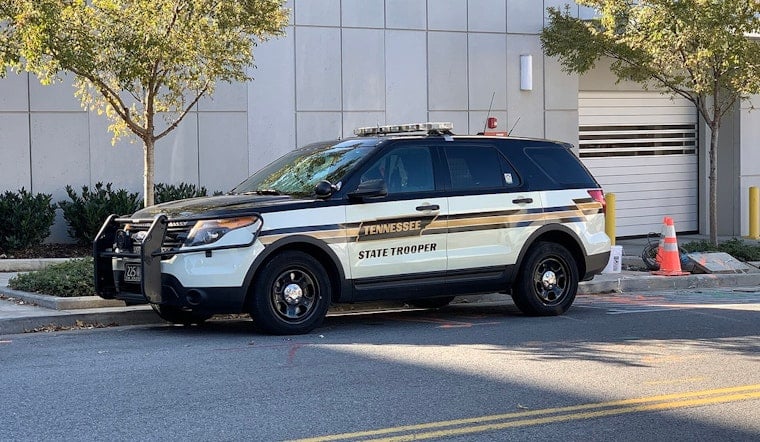
Three Tennessee men are taking the Tennessee Highway Patrol to court in Nashville, claiming they were hit with DUI arrests even though lab work later showed no alcohol or drugs in their systems. The lawsuit says the traffic stops happened between May and July 2025 and left the men dealing with jail time, legal fees and lost income. One plaintiff says he had to sell a tractor just to cover bond, and two of the men are older with physical limitations they say made standard roadside balance tests a lousy fit. The suit seeks money damages and asks a judge to order changes to trooper training and how impairment is tested on the roadside.
According to WKRN, the complaint, filed April 29, names the Tennessee Highway Patrol and details three stops where troopers leaned heavily on field sobriety tests. The plaintiffs are represented by litigator Stella Yarbrough of HSG Law Group, who told the station the cases point to broader problems inside the agency and that the goal is to prevent more allegedly wrongful arrests. The complaint states that follow up testing showed no drugs or alcohol, yet the men still absorbed bond costs and the full weight of the criminal process. Attorneys say they are after both compensation and policy changes in how troopers evaluate drivers for impairment.
Tennessee Bureau of Investigation data, released as part of a local investigative series titled “Sobering Problem,” shows hundreds of arrests where blood tests later turned up nothing. For 2024, there were 419 such cases, with roughly 180 tied to the Highway Patrol, according to WSMV. That reporting, along with open records work, has already drawn legislative attention and public hearings focused on trooper training and internal practices. Defense attorneys say those numbers suggest a pattern that civil lawsuits like this one could help force the state to confront.
The Tennessee Highway Patrol told reporters it is “in the approval process to order Preliminary Breath Testing devices” for troopers, although none have been purchased yet. The agency framed the move as a way to give troopers more tools during traffic stops. WVLT quoted a THP spokesperson who said the patrol wants “as many effective tools as possible” to identify impaired drivers. Lawyers for the plaintiffs argue the problem is not just about gadgets and devices, saying troopers rely too often on subjective roadside tests that can confuse age, injuries and other medical conditions with intoxication.
Scientific research has raised similar red flags. A 2023 randomized clinical trial published in JAMA Psychiatry found that field sobriety tests can misclassify people who are actually unimpaired, especially in cases involving certain drugs and among older adults or people with physical limitations. The study and related work note that the common three test battery was originally validated mainly for relatively high alcohol levels and is less reliable for spotting cannabis related impairment or impairment in people whose mobility and balance are already compromised. The plaintiffs say troopers used that same trio of tests as a primary basis to arrest drivers who later tested clean.
Legal claims and what is at stake
The lawsuit accuses the Highway Patrol of wrongful arrest, false imprisonment and inflicting emotional and financial harm, and it asks the court to require changes to training, testing and oversight. Attorneys for the men told WKRN they hope the case produces systemic reforms, not just individual payouts. If the plaintiffs prevail, the litigation could trigger new internal policies at the agency or wider state rules for how officers are supposed to assess impairment on the roadside.
What comes next
The complaint, filed April 29 in Nashville, now heads into the early stages of the court process, where the Highway Patrol’s response will help determine whether the case moves quickly or turns into a long running fight over training and policy. State lawmakers and prosecutors have already been grappling with the “sober DUI” numbers after TBI data and local investigations led to hearings and a law that requires the TBI to track such arrests, as reported by WSMV. For now, the lawsuit adds a courtroom battle to an ongoing debate over whether roadside checks are truly catching impaired drivers or sweeping up people whose health conditions only look like intoxication to an officer with a clipboard.





