

























































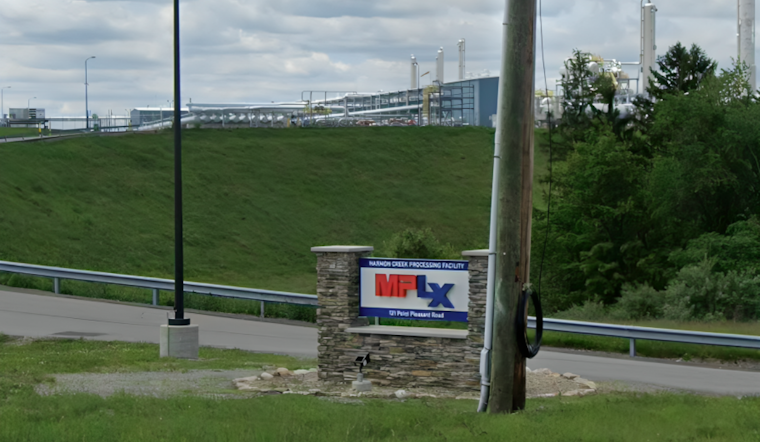
State regulators have quietly cleared the way for a big buildout at MarkWest's Harmon Creek gas-processing complex in Smith Township, even as neighbors say the skies are already telling them something is wrong.
The Pennsylvania Department of Environmental Protection (DEP) has moved to finalize a state-only air-quality operating permit that pulls together a tangle of long-running approvals at the Washington County site. The permit is tied to a multi-phase expansion that would add a third cryogenic train and a second de-ethanizer, and it has stirred fresh alarm over frequent flaring and visible black smoke. Nearby residents and environmental groups argue DEP should require tougher, clearly enforceable monitoring before any long-term authorization is locked in.
Local reporting notes that DEP published notice of the action in the May 30 Pennsylvania Bulletin and that the agency issued a state-only operating permit on May 18, 2026, authorizing the expansion. According to PA Environment Digest, the permit would allow operation of air-contamination sources and controls tied to the Cryo III and DeEthanizer II projects at Harmon Creek.
What DEP's files say
Inside DEP's own paperwork, the story is framed as housekeeping more than a green light for new gear. The agency's internal review memorandum and the draft operating permit describe the state-only operating permit primarily as a consolidation of earlier approvals and state explicitly that it does not establish best available technology standards nor authorize any new equipment, language taken from the department's review memo.
The memo recommends issuing the permit only after DEP reconciles plan-approval work that is still under construction. According to a review memorandum from the DEP, the operating permit is meant to fold prior plan approvals and general-permit terms into a single state-only document.
What the expansion would include
The construction authorization that covers Cryo III and DeEthanizer II traces back to an earlier plan approval, PA-63-01011B, issued May 2, 2025. That approval and the Pennsylvania Bulletin notice spell out required controls such as flue-gas recirculation on heaters, a vapor-recovery unit, and low-emission valves intended to limit routine emissions.
The Bulletin notice also details heater ratings, flare throughput limits and the formal public-comment and appeal procedures DEP followed while reviewing the project. The Pennsylvania Bulletin lists the full technical conditions for anyone who wants to dig into the fine print.
Neighbors and monitoring groups push back
People living around the Harmon Creek facility say the view from their yards tells a different story than DEP's paperwork. Residents and advocates reported 43 black-smoke events at the site's flare between October 26, 2025, and February 28, 2026, and contend that many of those incidents were never self-reported by the company.
Video from around-the-clock cameras operated by the Breathe Project captured large flare events on April 20 and 21, 2026. In response, organizations including the Environmental Integrity Project and the Clean Air Council filed supplemental comments pressing DEP to tighten limits, require clearer reporting, and give nearby residents advance notice before planned flaring. Those community concerns and related documentation are collected on the Breathe Project portal.
Enforcement history matters
The current dispute is playing out against a history of enforcement at Harmon Creek and across MarkWest operations. DEP issued a consent assessment of civil penalty in 2022 for visible emissions violations at the facility. Before that, the U.S. Environmental Protection Agency and the Commonwealth settled Clean Air Act claims with MarkWest that required additional monitoring, operational changes, and reductions in volatile organic compound emissions across company sites.
That track record, and the technical fixes it forced, fuel local skepticism about whether a state-only operating permit can provide enough oversight. See the U.S. Environmental Protection Agency for background on the settlement.
Legal options and next steps
The Pennsylvania Bulletin notice also spells out what happens next. DEP named Thomas Joseph, P.E., as the Southwest regional contact for questions and said that anyone aggrieved by the action has 30 days from the notice date to appeal to the Environmental Hearing Board.
Once DEP posts the final permit and the agency's comment-and-response document on its Southwest regional webpage, affected parties will have the records they need to weigh appeals, administrative challenges, or requests for more hearings. The Pennsylvania Bulletin and DEP's Harmon Creek page include contact details and filing instructions.
For now, neighbors are watching both the flare and the fine print. The final permit files and DEP's response to comments are expected to be posted on the agency's Harmon Creek project page, and residents say they will keep monitoring what comes off the stack as closely as what comes out of the agency. It is a reminder that even highly technical permitting steps can trigger intense community and regulatory scrutiny when monitoring gaps, visible emissions and safety worries collide.




