

























































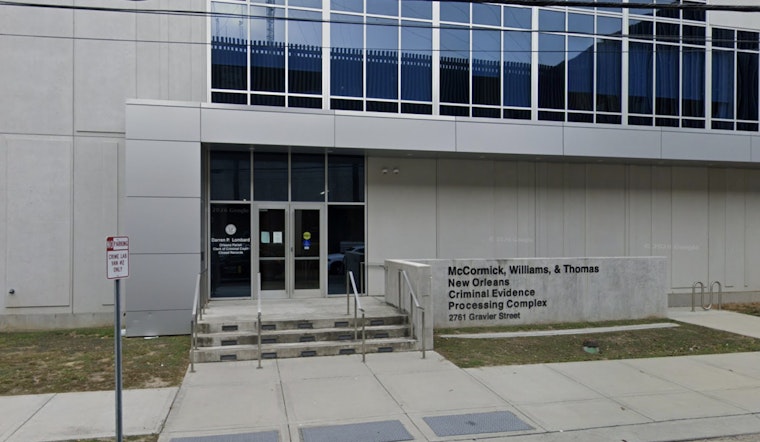
New Orleans’ nearly brand-new crime lab is already cracking under pressure, and city taxpayers may be left holding a roughly $9 million bill to fix it. The five-story facility, pitched as a roughly $25 million answer to long-standing forensic bottlenecks, is now dogged by structural and systems problems that threaten to slow testing and worsen an already serious case backlog.
According to WWL-TV, inspectors flagged major building issues at the lab, and investigators now estimate remediation costs at about $9 million. That has set off a round of finger-pointing over who should pay for repairs and how long the facility can safely handle evidence testing and storage.
Built as a $25M Fix, Funded Largely by FEMA
The five-story, 64,000-square-foot crime lab was sold as a long-term solution to New Orleans’ forensic shortfalls. As reported by Construction News, roughly $22 million of the project’s cost came from FEMA, with about $3 million supplied by Law Enforcement District funds.
Staffing, Accreditation and the Backlog
Even before the building troubles surfaced, staffing and accreditation hurdles were slowing the lab’s promised impact. WVUE/FOX8 reported in September 2025 that the lab’s director warned a full opening could slip further toward 2028 because key civilian positions remained vacant or unfunded. Previous reporting, summarized in a Times-Picayune piece republished by GovTech, also noted that the city has been sending DNA evidence to the state lab, with a backlog measured in the tens of thousands of samples.
Why It Matters for Cases and Budgets
As reported when the lab recently achieved accreditation, the NOPD facility had only just begun restoring services that had been largely absent since Hurricane Katrina. That progress now sits under a cloud as officials sort through the scope and timing of needed repairs. Any delays in testing or added outsourcing costs can slow investigations, complicate prosecutions and quietly inflate the city’s justice-system tab.
The WWL investigation outlines a stack of near-term bills and a longer list of questions about maintenance, oversight and whether insurers or contractors will absorb any of the cost. For New Orleans, a lab built to plug a decades-old forensic gap may now turn into one more big-ticket item competing for already scarce city dollars.





