

























































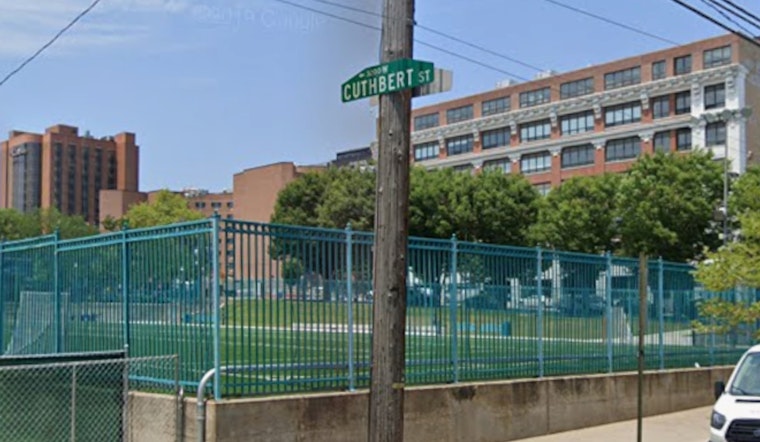
Philadelphia’s latest bid to cement its life-sciences cred just cut the ribbon. An 11-story lab tower at 3201 Cuthbert Street opened Wednesday on Drexel University’s University City campus, dropping roughly half a million square feet of lab-ready space into a neighborhood already buzzing with research. Developers tout the project as the city’s most advanced life-sciences building, pointing to sprawling floor plates, lab power capacity of up to 15 watts per square foot and outdoor terraces pitched as spots for collaboration as much as coffee breaks. The ceremony brought together Gattuso Development representatives, Drexel leaders and project partners who have been working this site since construction got underway.
Photographer HughE Dillon was on hand to capture the moment, documenting the ribbon-cutting and interior walkthroughs. CBS News Philadelphia published his photo gallery and tagged the occasion as the “Opening of Philadelphia's most advanced life sciences development.”
Who's Moving In
Drexel University has committed in a big way, signing a long-term lease that will pull together College of Medicine research operations into four floors totaling about 150,741 square feet, according to Drexel University. On the private side, commercial life-sciences operators locked in space even before the tower topped out, with SmartLabs among the early tenants that helped create momentum for the project, as reported by Tradeline.
What’s Inside the Building
The new tower leans hard into flexibility. It features column-free floor plates topping 50,000 square feet, expanded floor-to-floor heights and lab infrastructure laid out to support everything from vivarium space to cGMP manufacturing, based on the developer’s technical specs. The project website, 3201CuthbertStreet.com, highlights amenities including outdoor terraces, secure bike storage and lab power capacity reaching 15 watts per square foot. Engineering documents from Thornton Tomasetti detail how the structure is designed to limit vibration for sensitive research equipment, a behind-the-walls feature that matters a lot more to lab users than it does to passersby on Cuthbert Street.
Why It Matters for Philly
Beyond the shiny glass and steel, the project is intended to deepen University City’s growing life-sciences cluster by adding large-scale lab space that local leaders say is crucial for both young biotech firms and major research programs looking to expand. The development’s financing package included a substantial construction loan arranged by JLL. Market research indicates that Philadelphia remains one of the country’s more active life-sciences hubs, with recent quarters bringing a notable bump in lab inventory, according to Colliers.
“This is a defining moment not only for Drexel’s College of Medicine, but for University City and Philadelphia’s life sciences future,” John Gattuso, president and CEO of Gattuso Development Partners, said in a statement to Drexel University. Project partners say the tower will ultimately host a mix of academic labs and commercial tenants as occupants take possession in the coming months.





