

























































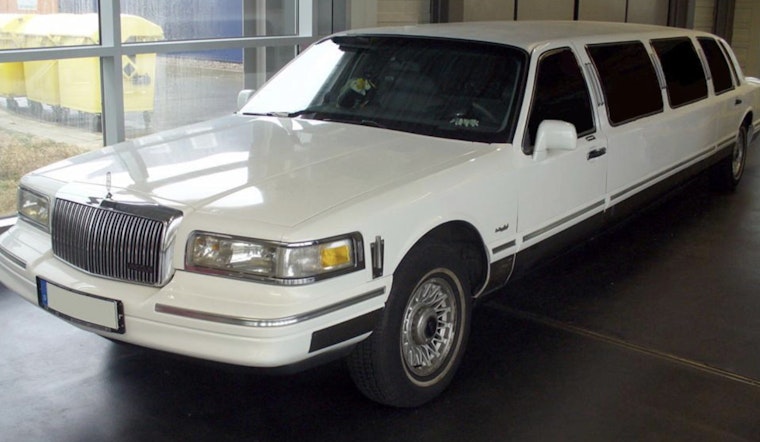
Stretch limos in New York now come with a built-in expiration date. The state has made the so-called "10-year" rule mandatory, forcing operators to retire altered vehicles once they hit either 10 years of service or 350,000 miles. The change, tucked into a broader safety package in the state budget, is already reshaping what it costs to book a ride for prom, weddings or a big night out. Regulators say the goal is simple: avoid another catastrophe like the 2018 Schoharie crash that killed 20 people.
The retirement rule is part of the Stretch Limousine Passenger Safety Act, folded into the 2024 state budget. The act makes it unlawful to operate a stretched or otherwise altered limousine past the age or mileage cap, according to the bill text on the New York State Legislature website. The statute also tightens equipment, reporting and inspection requirements for altered vehicles that once slipped between Department of Transportation and Department of Motor Vehicles rules.
What The Law Requires
Under the new mandate, operators must pull a limo from service once it reaches the 10-year or 350,000-mile threshold, whichever comes first. The law also requires limos to carry basic life-saving gear such as window-break tools, fire extinguishers and improved emergency exits. Those recommendations come from the state's Stretch Limousine Passenger Safety Task Force, which also urged better public data and inspection tools so customers and police can quickly spot unsafe operators.
Enforcement And Penalties
The enforcement side is already active. The Department of Motor Vehicles reports that 98 altered-vehicle registrations have been revoked since December 2022, dozens of driver-license actions have been taken and people have been arrested and charged in connection with fraudulent registrations, according to the New York State Department of Motor Vehicles. The agency is also rolling out a required pre-trip safety presentation for passengers and now has expanded authority to seize license plates or hit operators with civil penalties when a vehicle is placed out of service.
Why The Rules Changed
Lawmakers did not come up with these rules in a vacuum. The statutes grew out of high-profile crashes and follow a multi-agency review that began after the October 2018 Schoharie disaster, which killed 20 people. Subsequent reporting and investigations found gaps in inspection and oversight that allowed an unsafe, altered vehicle to stay on the road, as documented by national coverage of the wreck. Policymakers and the task force ultimately concluded that firm age limits, paired with stricter inspections, upgraded equipment and more detailed data reporting, were needed to close those gaps.
What It Means For Riders And Operators
For limo companies, the new rules are not cheap. Retiring older, heavily used stretch conversions forces operators to buy newer vehicles or get out of the business entirely, and those costs are already being passed along to renters. Local coverage has reported higher prices and a slimmer fleet in some areas, a trend reflected in consumer complaints and industry comments highlighted by 106.5 WYRK.
How To Check A Limo Before You Book
If you are booking a stretch limo, state officials say a quick background check is part of the job. Riders are urged to verify a carrier's operating authority and inspection status on the state's consumer portal and to ask to see the vehicle's Department of Transportation inspection sticker. The DOT's consumer portal, known as the Safe Limo NY operator data site, lists inspection history and carrier information, and the DMV says passengers should receive a pre-trip safety briefing that covers exits and emergency tools before the car pulls away.
Regulators insist the endgame is safer rides, even if the short-term reality is a smaller, more expensive fleet and tougher enforcement. Riders are advised to ask to see licenses and inspection stickers, buckle seatbelts where they are available and pay attention to that pre-trip speech before settling into the back seat.




