

























































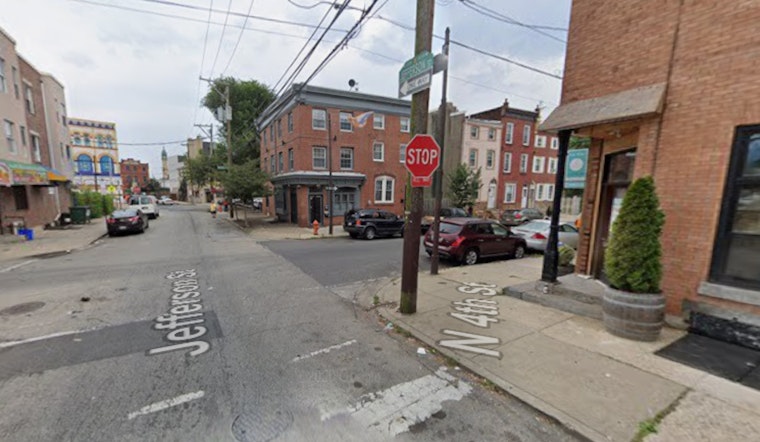
After months of steering around a growing sinkhole on their block, neighbors in North Philadelphia say the city finally showed up this week with a fix: a heavy metal plate dropped over the opening. To residents, it feels less like a repair and more like a band-aid on a street that keeps falling apart, with crumbling pavement, busted barricades and no clear promise of when crews will actually rebuild the roadway.
As reported by CBS Philadelphia, neighbors say the plate arrived months after the sinkhole first opened. They worry the metal cover does nothing to stop whatever is chewing away at the ground underneath. Residents told the station the plate feels like a temporary patch while the real problem underground goes untouched.
The metal lid is also being held up as one more example in a spring full of stubborn street collapses. A gaping sinkhole at 4th and Jefferson in Kensington has sat open for weeks, according to 6abc. A separate collapse on Conarroe Street in Manayunk kept growing even after crews fixed a water main, NBC10 reported. Residents in those neighborhoods say the multiweek delays point to a larger backlog of street work citywide.
Residents Say The Plate Is Only A Stopgap
On the North Philly block, neighbors told reporters that the metal plate does nothing for undermined soil or broken pipes below the surface. One compared the scene to living next to a crater in the middle of the street, only now it rattles when cars roll over it.
Councilwoman Quetcy Lozada said her office pressed the Streets Department and Water Department for faster follow up after constituents complained, and she urged city officials to give residents a straightforward schedule for permanent repairs, according to 6abc.
Why The Streets Keep Falling In
City inspections often point to aging underground infrastructure as the culprit. In Manayunk, a camera inspection tied one collapse to a broken sanitary sewer line that was washing soil away from under the pavement, NBC10 reported.
The city’s hazard mitigation planning lists subsidence and sinkholes as recurring risks linked to deteriorating utilities and climate stresses, a reminder that these failures are part of a wider infrastructure problem, according to the City of Philadelphia.
City Response And Limits Of Temporary Fixes
Dropping a metal plate over a hole is a standard short term move that lets traffic flow while crews schedule full repairs. Neighbors say anyone who walks or drives over one knows the downside. Plates can shift, rust out over time or make parts of the sidewalk and curb lanes hard to use.
Local coverage and neighborhood reporting show city crews prioritizing emergency plumbing and pipe breaks while a backlog of paving and restoration work stretches into the spring and summer, leaving some blocks waiting weeks for final fixes, as documented by the Kensington "war zone" sinkhole and other broadcast outlets.
How To Push For A Repair
Residents who spot a sinkhole or a failing patch of street are urged to file a service request with Philly311, either by calling 311 within the city or (215) 686-8686 from outside. The city’s online Philly311 portal lets people upload photos, get a ticket number and see how their complaint is routed to the Streets Department, Water Department or other agencies.
On the North Philly block, neighbors say they will keep leaning on elected officials for a firm timetable and a real rebuild of the street. Until that happens, the metal plate is something of a relief, but it is not a solution, residents told CBS Philadelphia.





