

























































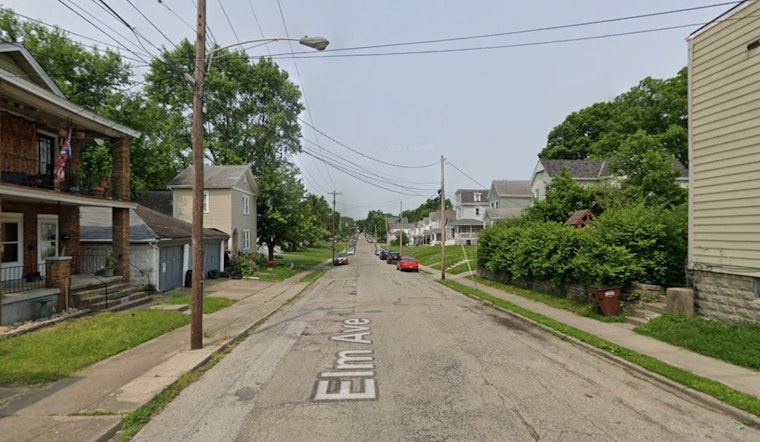
After decades of watching stormwater turn Elm Avenue into an unwanted river, Norwood neighbors finally got a different kind of gathering this week: a ribbon cutting. City leaders and residents turned out to celebrate the completion of a $2.3 million storm sewer overhaul that officials say should keep heavy rains from sending water into cars, basements, and backyards. The project swapped out undersized pipes and added a detention basin that is supposed to take the punch out of fast, hard downpours. Many neighbors said they are relieved, but more than a few admitted they will not fully exhale until the next big storm rolls through without flooding their homes.
According to Local12, city officials framed the finished work as a long-awaited answer to years of complaints from Elm Avenue homeowners, some of whom dealt with repeat water damage every time the skies opened up. Leaders told the station the new system is designed to keep stormwater out of basements and off the street during heavy rain, calling the overhaul both a public safety measure and a boost to property values. Residents at the event welcomed the progress but said the real celebration will be if their blocks stay dry during the next serious storm.
What the upgrade did
WLWT reported that the project centered on ripping out an old 24-inch drainage pipe and replacing it with a much larger 56-inch conduit, a change engineers say should move far more water away from homes. Crews also installed a detention pond to slow runoff before it reaches the lateral, giving the system more time to handle those quick bursts of rain that used to swamp the area. Mayor Schneider told the station that workers "connected pipes basically three or four blocks over" to feed stormwater into the upgraded network. Construction started last year and wrapped up this spring, and officials have been clear that the system will not really be proven until it weathers its first major downpour.
Neighbors recall past floods
For longtime residents, it is not hard to remember why this project became a priority. Neighbor George Hammond told WLWT that a 2016 storm turned the block into what looked "like a big lake," with water creeping all the way up to the top of a fire hydrant. Stories like his helped drive the push to fix the aging drainage system, as homeowners pleaded for a solution that did not involve shop vacs and emergency sandbags every rainy season. Many said they are grateful to see the work finished but are reserving final judgment for the next cloudburst and watching to see whether their basements finally stay dry.
Why cities are upsizing pipes
Norwood is not alone in beefing up its storm sewers. Municipalities around the region have been investing in larger pipes and detention basins as heavy, short-duration rain events become more common. Federal climatological data show that big rain events have increased in both frequency and intensity in recent decades, particularly across the eastern United States, according to NOAA/NCEI. Local officials say projects like the Elm Avenue overhaul are expensive but necessary to cut down on repeated property damage and to lower the risk to drivers and residents when flash flooding hits. Engineers point out that upsizing pipes and adding detention areas are standard tactics to move water more efficiently while reducing peak flows that can overwhelm older systems.
For now, Norwood leaders and neighbors are keeping an eye on the forecast and waiting for the first real test of their new infrastructure. If the upgraded system performs as promised when the next heavy storm barrels through, residents hope the era of annual cleanups, wet basements, and last-minute sandbag lines will finally come to an end. City officials say regular maintenance of the detention area and ongoing monitoring of the new line are already built into the public works schedule to keep the system running as designed.





