

























































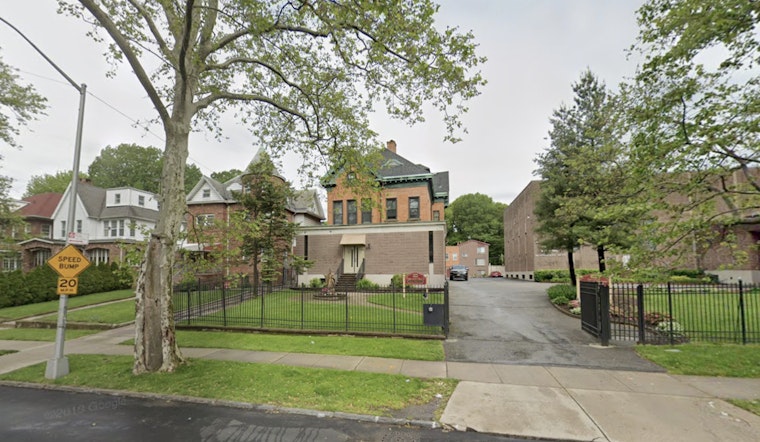
A nine-story apartment project that would wipe out most of the Carmelite monastery on Highland Boulevard has neighbors in Cypress Hills gearing up for a fight. The plan, which would replace four of the five monastery buildings right next to Highland Park, has residents warning it would permanently alter the block. The complex has sat largely empty since cloistered nuns moved out in 2023, and locals say they were blindsided by the size of what is now on the table.
What the developer is proposing
Watermark Capital Group recently rolled out its vision to Community Board 5’s land-use committee: rezone the property from R3-1 to R6A and put up a roughly nine-story, 279,000-square-foot building with 345 apartments. The breakdown, according to the developer’s presentation, is 62 studios, 191 one-bedrooms, 85 two-bedrooms and seven three-bedrooms. The materials also call for 123 affordable units, aimed at households averaging about 80 percent of area median income.
The plan keeps a three-story Edwardian house on the western edge as a community facility and includes indoor and outdoor recreation space plus 58 underground parking spots. Watermark is also seeking to demap a short dead-end street called Robert Place, and some of the existing monastery buildings would be demolished as part of the build-out, as reported by Brooklyn Paper.
Site history and ownership
The property is still owned by the Roman Catholic Diocese of Brooklyn, which public records show bought the complex in 2003 for about $2.6 million. The lot holds several structures and more than 70,000 square feet of land and has been mostly vacant since the cloistered Carmelite nuns departed in 2023. Court filings and other documents show the diocese and Watermark have been tied up in litigation in recent years over how the site would ultimately be handled.
PropertyShark details the sale and related filings, and national coverage has chronicled the nuns’ move out of the monastery in 2023.
How affordability and review would work
Because the proposal depends on an upzoning, it would trigger the city’s Mandatory Inclusionary Housing rules. Those rules require permanently affordable housing in privately initiated rezonings that increase residential density.
The rezoning would go through the Department of City Planning’s Uniform Land Use Review Procedure, known as ULURP. Once an application is certified, that public review is supposed to run for about seven months, with comments and votes from the community board, borough president, City Planning Commission and ultimately the City Council. Guidance from the city’s housing and planning offices explains how MIH and ULURP typically work and on what timeline, including materials from NYC HPD.
Neighbors push back
Local residents have launched an online petition against the project, citing concerns about the building’s scale, increased traffic and added strain on neighborhood infrastructure. The petition had around 115 signatures when local outlets first picked up the story. Critics also object to tearing down a long-standing religious site and say a nine-story wall along the park would clash with the existing feel of the block.
After word of the Community Board presentation spread, some neighbors began calling for more time to digest the proposal, stronger community benefits and a clearer explanation of how the preserved Edwardian house would actually be used.
Legal questions and next steps
Even if Watermark wins over skeptical neighbors, the project still has procedural and legal hoops to clear. Filings indicate the diocese and Watermark have been in court over “leave to sell” and similar issues, and any move by a church to dispose of property can attract additional scrutiny at the state level.
If a formal rezoning application is filed and certified, the ULURP clock would run for months and could be followed by further environmental review or separate signoffs. Public records and recent filings cataloged by PincusCo highlight how those legal and procedural steps could slow or potentially reshape the plan.
For now, the proposal has opened a clear divide between residents who want the monastery preserved and developers who argue the site can deliver much-needed housing near transit. Expect more late-night community board meetings and a long calendar of filings, and fights, before any demolition crews get near Highland Boulevard.



