

























































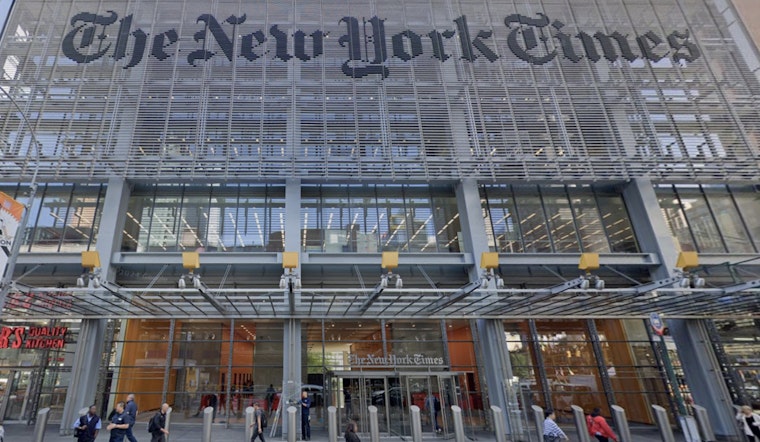
The New York Times on Friday demanded that China reinstate Vivian Wang, its China correspondent expelled earlier this year, just as Washington moved to yank the visa of a Chinese state journalist in a rare tit-for-tat. The paper’s top editor warned the escalating expulsions could further choke off already limited on-the-ground reporting from inside China.
What happened
Beijing issued an expulsion order for Wang in February, apparently signaling displeasure over a recorded appearance by Taiwan's president at a DealBook event that Wang had no role in, according to The Associated Press. Chinese officials publicly tied the move to the Taiwan appearance, while the Times and other outlets say it capped months of mounting pressure on Wang over her reporting.
What the Times said
In a statement published by The New York Times Company, Executive Editor Joseph Kahn called the expulsion “wrong” and warned it would make it “even harder” for readers to get independent, in-depth reporting on China. The statement said Wang had faced “a campaign of harassment and threats” over her coverage and urged both governments to reverse what it described as a “deterioration in journalist access.”
U.S. response
The U.S. answered by revoking the visa of a Chinese national working for state news agency Xinhua, a move first reported by The Associated Press. A State Department official confirmed plans to pull the visa, and U.S. officials cast the action as a proportional response to Beijing's decision on Wang.
Why it matters
Editors and press-freedom advocates warn the exchange risks shrinking foreign reporting inside China even further at a moment when many argue understanding Beijing is increasingly crucial. The Times' statement noted that the number of American correspondents allowed in China “has now fallen to an alarmingly low level,” per The New York Times Company. The diplomatic back-and-forth could also discourage outlets from greenlighting sensitive coverage, including interviews that give Taiwan a platform, because of the access trade-offs involved, as Mediaite reported.
What to watch next: whether Beijing restores Wang's credentials, whether Washington chooses further retaliation, and whether other outlets quietly recalibrate their China coverage. Neither the Chinese embassy in Washington nor the U.S. State Department immediately responded to requests for comment, as reported by The Washington Post.



