

























































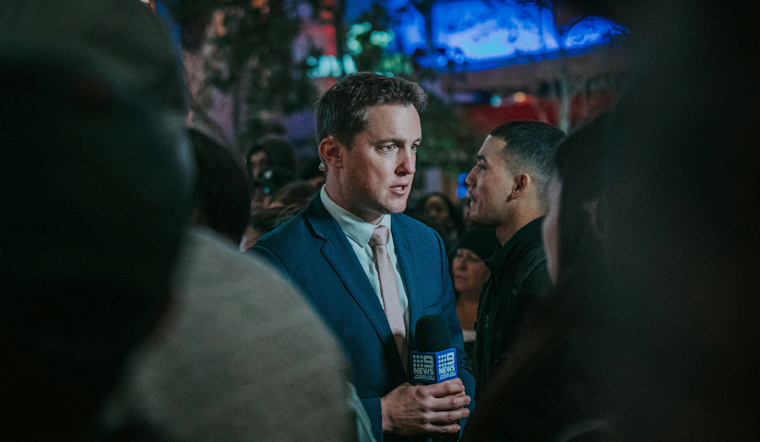
At a cybersecurity conference in Orlando this month, a man calmly told News 6 anchor Matt Austin he could make Austin “say” anything he wanted, using only videos the anchor had already posted online. A brief, private demonstration followed, and it left Austin and others unsettled, underscoring how quickly synthetic‑media tools can be turned into a weapon against trusted on‑air personalities.
What Happened At KB4‑CON
The exchange took place in a backroom during KB4‑CON, where the man said he could spin up convincing footage from Austin’s publicly posted clips. As reported by ClickOrlando, he insisted he could make the anchor “say anything” using nothing more than video already floating around the internet.
KB4‑CON’s Demo Environment
KB4‑CON is KnowBe4’s annual human‑risk management conference in Orlando, and this year’s program featured sessions and hands‑on demos focused on AI‑driven attacks and defenses. The event description highlights live demonstrations and practical workshops designed to show how agentic AI and synthetic media can both create risk and help build defenses, according to KnowBe4.
Why Anchors Are Especially Vulnerable
Deepfake tools have grown markedly more powerful and accessible, letting bad actors generate realistic audio and video from only a handful of photos or short clips. Security reporting and research warn that services offering high‑quality synthetic video, including tools that can "nudify" or lip‑sync a target, are proliferating and lowering the barrier for abuse, per Wired.
Researchers have also documented campaigns that fabricate anchor‑style broadcasts to lend legitimacy to scams and disinformation, showing how synthetic anchors can be weaponized to deceive audiences and drive fraud. A recent analysis of such operations includes examples of threat actors impersonating television anchors to push fraudulent narratives; see Incident Database for research on synthetic‑anchor attacks.
Legal And Policy Context
State and federal law are still struggling to keep pace with synthetic‑media harms. Florida has expanded statutes addressing altered or non‑consensual sexual depictions and related offenses, and the state statute on altered sexual depictions lays out prohibited acts, penalties, and platform obligations in certain cases, as detailed by the Florida Senate.
At the federal level, the TAKE IT DOWN Act makes the intentional publication of non‑consensual intimate visual depictions unlawful and requires covered platforms to remove reported material within a defined timeframe, creating both criminal and platform‑level obligations. The full text of the law is available through GovInfo.
How Newsrooms And Viewers Can Respond
Newsrooms are being urged to treat unsolicited clips with skepticism and to verify provenance before amplifying them. Practical steps include breaking suspect videos into keyframes, running reverse‑image searches, checking for embedded content credentials, and using verification toolkits such as the InVID‑WeVerify plugin to gather metadata and context. The InVID project and affiliated verification tools outline these workflows for journalists through InVID‑WeVerify.
If impersonation crosses into intimate imagery or extortion, victims can turn to services that create on‑device hashes to block reposts and notify participating platforms. StopNCII is one such resource that helps register hashes for removal across partner sites, as explained by StopNCII. Combining technical verification with the legal takedown mechanisms now available can provide faster paths to removal and enforcement.
The KB4‑CON episode is a blunt reminder that for local news audiences, seeing is no longer automatically believing. As deepfake tools keep improving, anchors, editors, and viewers will have to lean more on verification tools, platform processes, and the law to protect trust in local reporting.




