

























































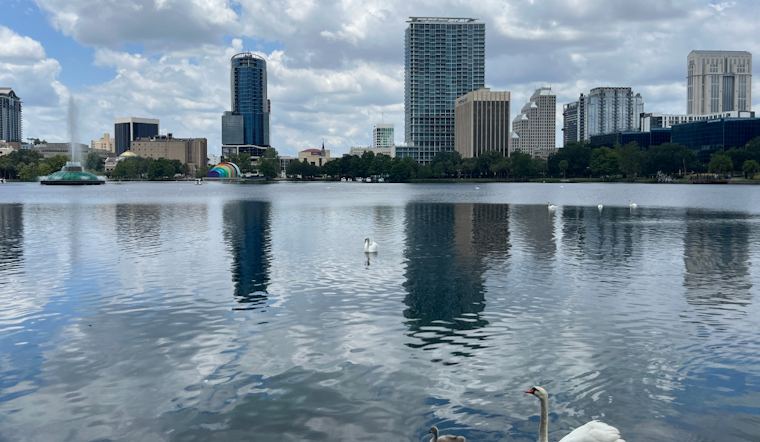
Orlando rolled out of bed into clear but swampy air, with mid‑70s temperatures and humidity already hanging in the mid‑morning haze. The National Weather Service is calling for a hot, humid day with a high near 92°F and an increasing chance of scattered showers and thunderstorms this afternoon into the evening. Storm chances ramp up roughly between 1 p.m. and 8 p.m., and any stronger cells could bring frequent lightning, brief heavy downpours, and damaging wind gusts.
Storm Timing and Risks
Forecasters expect the more organized storms to fire along a weak front and the inland sea breeze this afternoon, with the greatest coverage north of the Orlando metro toward Cape Canaveral, although pop‑up cells are fair game anywhere in the region. The area sits under a Marginal Risk for severe storms, with primary threats including 40 to 60 mph wind gusts, frequent lightning, and small hail, plus a very small chance of a brief funnel. Any slow‑moving storm could drop 1 to 2 inches of rain in spots, leading to quick ponding on low‑lying streets. For the latest radar, advisories, and updated timing, check the National Weather Service in Melbourne.
Heat and Weekend Outlook
The heat is not in a hurry to leave. After inland highs near 92°F on Friday, temperatures climb into the mid‑90s on Saturday and Sunday, with peak heat index values in the mid to upper 90s and a few locations pushing close to 100°F. Forecasters are already flagging a Moderate to Major heat risk for both weekend days, so outdoor workers, coaches, and parents will want to plan extra water breaks and shade time. Dry fuels also mean lightning‑sparked fires are a concern away from the heaviest rain cores, and residents are urged to check local burn restrictions before lighting anything up. For more context, see Hoodline’s May 7 report on how Orlando sizzles as potential record heat cranks up extreme fire danger.
Plan Ahead
If you are scheduling outdoor events, morning is your safer bet. Keep an eye on the radar through the afternoon and have a lightning shelter plan ready for kids, players, and guests. Boaters should head back to port at the first sign of darkening skies, since isolated offshore storms can quickly kick up sudden gusts and dangerous lightning. Drivers should expect brief heavy downpours that cut visibility and cause ponding on the roads, so easing off the gas and giving extra space between vehicles will go a long way.
Legal Note
With drought and dry fuels still an issue in parts of the region, several counties have restrictions on open burning, and ignoring them can mean fines or citations. Check county websites or local public safety channels before attempting any controlled burn.





_-_5_(cropped).JPG)