

























































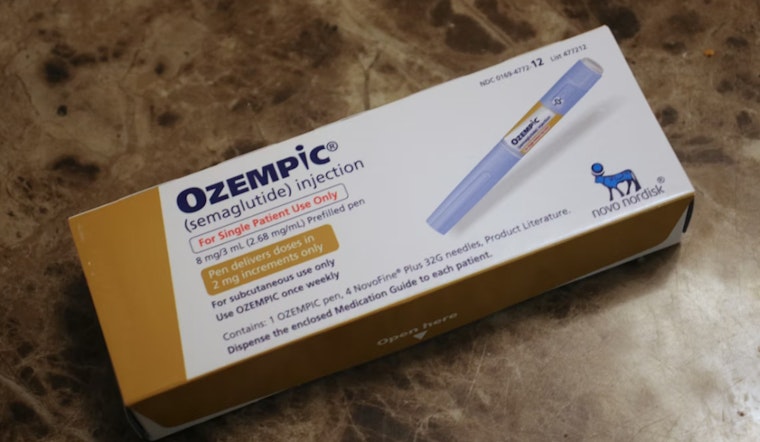
Some Charlotte patients on popular GLP‑1 drugs say life suddenly feels like it is stuck in low volume. The food looks fine, friends are still around, hobbies are technically the same, yet the spark is dimmer. The phrase making the rounds in exam rooms is "Ozempic personality" — a subtle emotional blunting that feels less like full‑blown depression and more like a creeping, hard‑to‑shake "meh." Local clinicians say they are hearing about it enough to pay attention while researchers work to figure out whether the drugs themselves, the rapid weight loss or other factors are to blame.
As reported by WCNC, some patients on GLP‑1 medications describe feeling less motivated to socialize or less able to enjoy activities that used to feel rewarding. Local providers say the pattern can look a lot like anhedonia. Clinicians quoted in the station's coverage urge anyone noticing mood changes to talk with their prescriber about possible dose adjustments or alternative therapies rather than stopping cold turkey. For many patients, WCNC notes, the significant metabolic and cardiovascular benefits of GLP‑1 drugs still outweigh these reported emotional shifts.
Researchers Probe The Brain's Reward System
Scientists are exploring whether GLP‑1 medications might be quieting parts of the brain's reward circuitry. Those pathways, which rely heavily on dopamine, help make high‑pleasure stimuli — from calorie‑dense foods to certain activities — feel especially compelling. Turn that volume down and you may get fewer cravings, but also less buzz from some of life's usual highs.
According to The Washington Post, researchers including Daniel Drucker and other teams studying GLP‑1 effects have observed both muted and faster‑satiating reward responses in animals and in early human case series. The science is still unsettled, which is why clinicians are collecting detailed case notes and carefully tweaking doses to see whether patients' emotional blunting improves.
Big Studies Paint A Mixed Picture
So far, large population studies are not flashing a clear red light on psychiatric harm and may even hint at benefits for some people who already have mental‑health conditions. A national cohort analysis published in The Lancet Psychiatry found that semaglutide use was associated with a lower risk of worsening depression, anxiety and substance‑use outcomes among patients who had those diagnoses before starting the drug. The authors stressed that the findings show correlation, not proof that the medication caused those improvements. Researchers say targeted clinical trials are still needed to sort out whether the anhedonia reports stem from a direct drug effect, the downstream impact of weight loss or some combination.
What Clinicians Recommend
Across clinics, one point is consistent: do not stop a GLP‑1 medication abruptly without talking to your prescriber. The Cleveland Clinic notes that common strategies for troubling side effects include adjusting the dose, switching to a different agent or bringing in a mental‑health specialist. Some obesity medicine experts have also reported individual cases where temporarily lowering the dose or adding a dopamine‑targeting antidepressant appeared to ease the emotional flattening.
Local Clinics Are Tracking Cases
In Charlotte, several practices told WCNC they are formally tracking patients who report "Ozempic personality" so they can share information with researchers and fine‑tune how they prescribe. Some patients who reduced their dose reported mood improvements within weeks, according to the local reporting, while others needed different interventions. Providers say the aim is to calibrate treatment: keep the powerful clinical benefits of GLP‑1 drugs while minimizing any hit to mood or motivation.
Experts say the reported emotional blunting seems to be uncommon and often reversible, but worth watching closely as GLP‑1 use spreads through communities. Coverage in The Washington Post emphasizes striking a balance between the medications' clear health gains and careful mood monitoring through shared decision‑making between patients and prescribers. If you or someone you know notices sudden or severe mood changes while taking a GLP‑1 drug, clinicians advise seeking medical guidance promptly.





