

























































Hawaiʻi’s postcard-perfect shoreline has a far less glamorous side: fresh data suggest many nearshore waters are chronically more polluted than locals and visitors assume. A new statewide analysis paired with intensive post-storm sampling shows several windward spots repeatedly exceeded recreational bacteria standards last year, and researchers say the pattern points to systemic wastewater and stormwater runoff problems rather than one-off events. The findings are putting renewed pressure on the state’s long-delayed sanitation upgrades.
Surfrider Data: Hot Spots And A Statewide Pattern
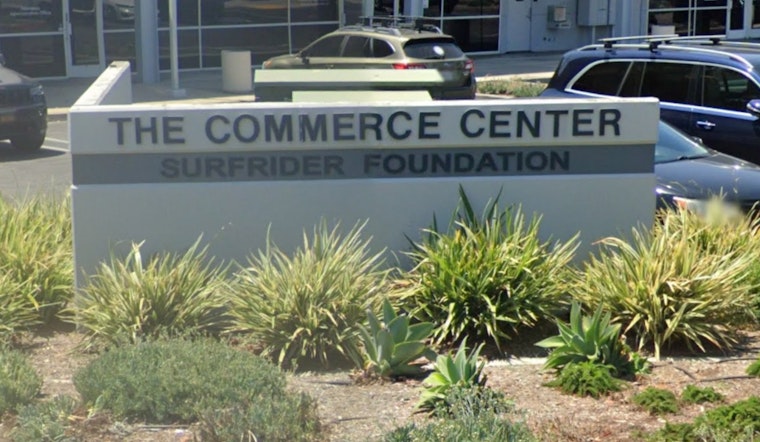
The Surfrider Foundation’s 2025 Clean Water Report puts three Hawaiʻi locations on a national list of persistent bacteria hot spots. Punaluʻu Beach Park and the Moloaʻa stream mouth each failed 100% of samples last year, and the Hakipuʻu boat ramp near Kualoa failed in 82% of tests.
Statewide, volunteers collected more than 1,100 samples at roughly 90 sites and found 24 sampling locations that failed recreational health standards more than half the time, according to a state summary by Surfrider Hawaiʻi. The trouble spots tended to cluster at stream mouths, boat ramps and sheltered shorelines that people regularly use for swimming and other recreation, suggesting chronic contamination rather than occasional spikes.
Cesspools And The Numbers Behind Them
State officials and environmental advocates largely trace the problem upstream to aging cesspools. The Hawaiʻi Department of Health estimates there are about 88,000 cesspools statewide and reports those systems release roughly 53 million gallons of untreated sewage into the ground every day. That pollution eventually migrates into groundwater, streams and the nearshore ocean.
The sheer volume of wastewater helps explain why volunteer monitoring keeps flagging the same locations over and over. When that much sewage is moving through leaky legacy systems, bacteria readings at the shoreline are less a surprise and more an inevitability.
Post-Storm Sampling Offers A Worrying Preview
After the March 2026 Kona low, a University of Hawaiʻi-led community science project fanned out along the coast to track what storms are really washing into the ocean. The effort, part of Dr. Nyssa Silbiger’s “What’s In Your Water?” project, collected hundreds of coastal samples to map runoff chemistry and microbial risk.
Early results show polluted freshwater stayed close to shore longer than researchers expected, a pattern Silbiger described as “a preview” of what stronger storms and sea-level rise could deliver in coming decades. Those findings, reported by the research team and local coverage, underscore how intense rain events can flush wastewater and nutrients downhill and then trap that mix near reefs and swimming areas longer than models had predicted.
Policy Moves, But Funding Lags
On paper, Hawaiʻi has a plan to tackle the cesspool problem. Under state law (Act 125), most cesspools must be upgraded, replaced or connected to sewer lines by January 1, 2050. In practice, converting individual systems and building out sewer extensions remain expensive and technically difficult in many neighborhoods.
This legislative session, lawmakers debated bills to create a dedicated cesspool-conversion section within the Department of Health and to pilot subsidy or loan programs that could help homeowners cover upgrade costs. Advocates, however, say real progress will require sustained long-term funding and significant new investments in local sewer infrastructure, not just pilot projects and task forces.
How Swimmers And Visitors Can Stay Safer
Scientists use enterococcus as a fecal-indicator bacterium. High enterococcus readings do not prove specific pathogens are present, but they are a strong warning sign.
"When it is present in high concentrations, that indicates that there might be other harmful pathogens that can get you sick," Surfrider Hawaiʻi regional manager Hanna Lilley told Hawaii News Now.
Public health officials advise checking the Hawaiʻi State Department of Health’s interactive beach-advisory map before getting in the water. A simple rule of thumb still applies: avoid cloudy, brown runoff near stream mouths for at least 48 to 72 hours after heavy rain.
Advocates say volunteer monitoring fills critical gaps in official testing and helps zero in on problem areas, but they add that patchwork sampling and steep homeowner costs make lasting fixes hard to pull off. For now, the growing stack of data makes one thing clear: not all of Hawaiʻi’s famed shoreline is equally safe for swimming year-round.





