

























































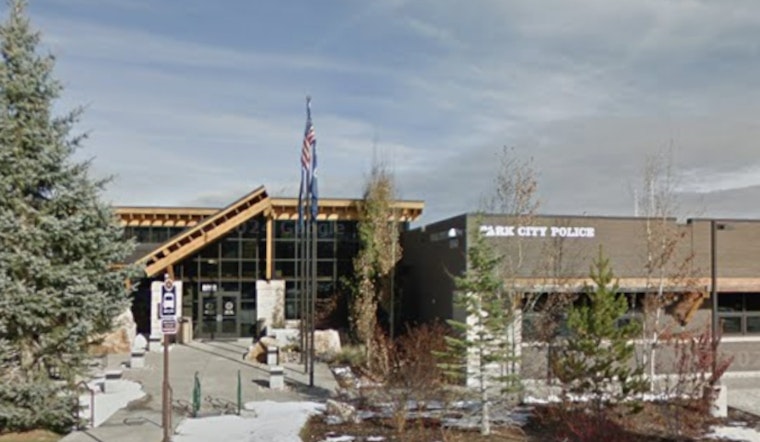
Park City police say scammers are dialing up residents and pulling a bold new stunt: telling people to slice up their own debit and credit cards, then mail in the tiny EMV chip to an address the caller provides. The impersonators claim to be bank employees, and officers say the chip request is the latest twist designed to separate victims from their payment cards.
Police: Reports Came From Park City
Officers have taken multiple reports from Park City residents about the scam, in which callers instruct people to cut up their cards but hang on to the chip, then either mail it in or hand the pieces to a so-called collector who will swing by, according to KUTV. Police called the situation a "unique case they had not seen before" and urged residents to be extra suspicious of any unexpected phone calls about their accounts.
Why Banks Won't Ask For Chips
Park City officers reminded residents that "banks and credit unions will never ask for account information over the phone," a rule that applies whether the caller claims to be fixing fraud, issuing a new card, or asking you to mail in tiny pieces of plastic. If you get one of these calls, police and consumer advocates say you should hang up and call your financial institution using the number on your statement or the back of your card, not any number the caller rattles off, according to reporting by KUTV.
How To Protect Yourself
Security pros keep the advice simple: hang up, contact your bank directly, and do not mail any part of your card to someone who called you out of the blue. The Federal Trade Commission offers a reporting portal and recovery guidance at ReportFraud.ftc.gov, and the American Bankers Association's Banks Never Ask That campaign highlights common red flags to watch for. If you think you shared account details, officials say you should contact your card issuer immediately to freeze or replace the card, then document the call for law enforcement.
Local Context
The warning comes on the heels of other impostor-style scams reported in the area in recent months, including fake mandatory-collection notices that state authorities flagged earlier in the spring, according to local coverage by TownLift. Residents who believe they were targeted are urged to contact the Park City Police Department's non-emergency line and file a report with the FTC so investigators can track patterns and help protect others.



